


Signing a property contract is one of the most significant financial decisions you’ll ever make—yet many buyers rush through the process, only to regret it later. Whether you’re purchasing your first home, investing in rental property, or securing commercial real estate, overlooking critical details in the contract can lead to costly legal battles, unexpected expenses, or even losing the property altogether. The excitement of finding your dream space often clouds judgment, but a thorough review of the contract can save you from future headaches. From hidden clauses to ambiguous terms, every line in that document holds weight. This guide walks you through the essential things to check before signing a property contract, ensuring you enter the deal with confidence and clarity.
What Is a Property Contract? A 40-Word Definition
A property contract is a legally binding agreement between a buyer and seller outlining the terms of a real estate transaction. It includes details like purchase price, payment terms, contingencies, and closing conditions. Both parties must fulfill their obligations, or the contract may be voided or lead to legal consequences.
Verify the Property’s Legal Ownership
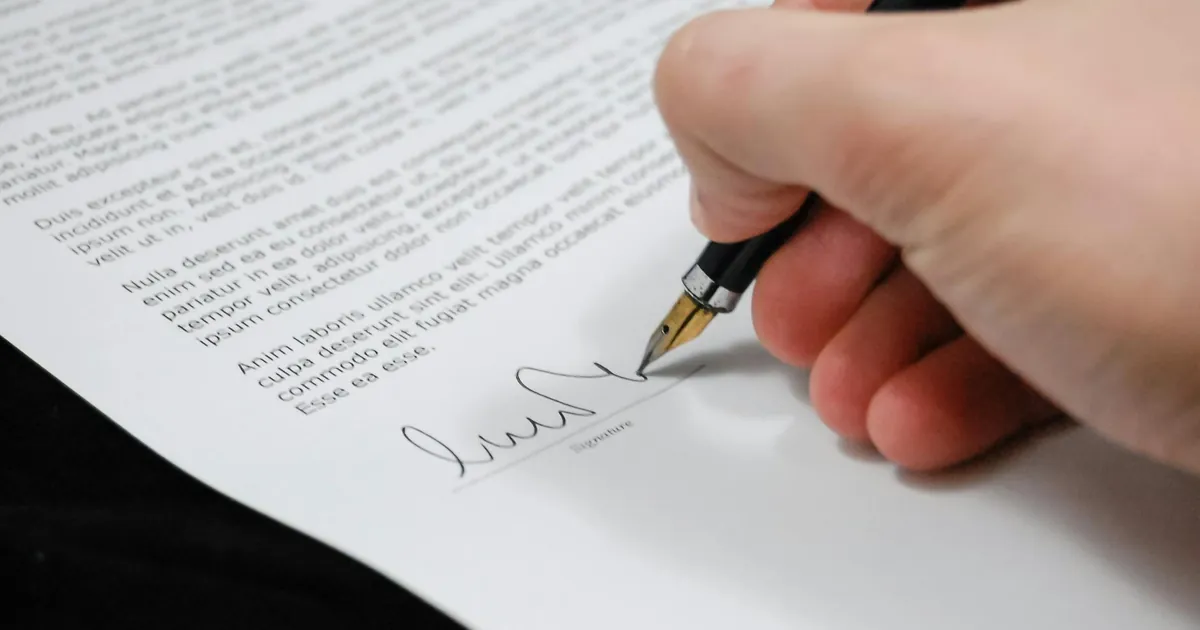
Before you even glance at the contract’s fine print, confirm that the person selling the property is its rightful owner. Sounds obvious, right? Yet, fraudulent sales happen more often than you’d think. Start by requesting the seller’s original title deed and cross-checking it with public land records. In the U.S., you can visit the county recorder’s office or use online databases like the Zillow Property Records tool to verify ownership. If the property is part of a trust or inherited, ensure the seller has the legal authority to transfer ownership.
Don’t rely solely on the seller’s word. A quick title search through a reputable title company can reveal liens, unpaid taxes, or disputes that could derail the sale. If the property has multiple owners, all parties must sign the contract—otherwise, the deal could be invalid. For added security, consider hiring a real estate attorney to review the title history. This small upfront cost can prevent a financial nightmare down the road.
How to Spot Red Flags in Ownership Documents
Not all ownership documents are created equal. Watch for these warning signs:
- Inconsistent names: If the seller’s name on the title doesn’t match their ID or the contract, dig deeper. It could indicate a scam or a case of identity theft.
- Recent transfers: A property sold multiple times in a short period might be a “flipping” scam, where fraudsters inflate the price before disappearing.
- Missing signatures: If the deed lacks notarization or witness signatures, it may not be legally enforceable.
What to Do If Ownership Is Disputed
If you uncover a dispute—like a family member claiming inheritance rights or a bank asserting a lien—pause the process immediately. Disputes can take months (or years) to resolve, and you don’t want to be stuck in legal limbo. Consult a lawyer to assess whether the issue is minor (like a typo in the deed) or a deal-breaker (like a forged signature). In some cases, title insurance can protect you from future claims, but it’s not a cure-all for unresolved disputes.
Scrutinize the Purchase Price and Payment Terms

The purchase price is the most obvious detail in a property contract, but the payment terms are where things get tricky. Does the contract specify a fixed price, or is it subject to appraisal? Are there escalation clauses that could increase the price if another buyer makes a higher offer? These nuances can turn a “great deal” into a financial burden.
Break down the payment structure carefully. Is the deposit refundable? What’s the deadline for the down payment? If you’re financing the purchase, does the contract include a mortgage contingency clause? This clause allows you to back out of the deal if your loan falls through, protecting your deposit. Without it, you could lose thousands if the bank denies your application.
Also, watch for hidden fees. Some contracts include “administrative fees,” “transfer taxes,” or “seller concessions” that aren’t immediately obvious. Ask for a breakdown of all costs and compare them to local norms. For example, in some states, the buyer pays title insurance, while in others, the seller covers it. A real estate agent or attorney can help you spot unfair terms before you commit.
Understanding Earnest Money Deposits
Earnest money is a good-faith deposit that shows the seller you’re serious about the purchase. Typically, it’s 1–3% of the purchase price, held in escrow until closing. But what happens if the deal falls through? The contract should specify whether the deposit is refundable and under what conditions. For instance, if the inspection reveals major issues, you should get your money back. If you simply change your mind, you might forfeit it.
Never hand over earnest money directly to the seller. Always use a neutral third party, like an escrow company or real estate brokerage, to hold the funds. This protects you from unscrupulous sellers who might “lose” your deposit or refuse to return it.
Financing Contingencies: Your Safety Net
A financing contingency is your escape hatch if your loan doesn’t come through. Without it, you could be forced to buy the property in cash—or lose your deposit. The clause should specify the loan type (e.g., conventional, FHA), the amount, and the deadline for securing financing. If the seller insists on removing this clause, proceed with caution. It’s a red flag that they’re hiding something or trying to rush the sale.
Inspect the Property Thoroughly (Beyond the Surface)

A fresh coat of paint and staged furniture can hide a multitude of sins. Before signing, insist on a professional home inspection to uncover structural issues, electrical problems, or plumbing nightmares. The contract should include an inspection contingency, giving you the right to renegotiate or walk away if the inspection reveals major defects.
But don’t stop at the standard inspection. Depending on the property’s age and location, consider specialized inspections for:
- Termites and pests: These critters can cause thousands in damage before you even notice them.
- Radon or asbestos: Common in older homes, these hazards can pose serious health risks.
- Foundation cracks: Small cracks might be cosmetic, but large ones could signal structural failure.
- Mold: Especially important in humid climates or properties with water damage.
If the inspection reveals issues, you have three options: ask the seller to fix them, request a price reduction, or walk away. The contract should outline how these negotiations will work. For example, some contracts allow the seller to choose whether to make repairs or offer a credit at closing. Others give the buyer the final say. Clarify these terms upfront to avoid last-minute disputes.
What to Do If the Seller Refuses Repairs
Sellers aren’t always willing to fix problems, especially in a hot market. If they refuse, you can:
- Negotiate a credit: Instead of repairs, ask for a reduction in the purchase price or a credit at closing to cover the cost of fixes.
- Walk away: If the issues are deal-breakers (like a failing roof or faulty wiring), don’t hesitate to back out. It’s better to lose a deposit than buy a money pit.
- Get a second opinion: If the seller disputes the inspector’s findings, hire a specialist to confirm the problem. For example, a structural engineer can assess foundation issues more accurately than a general inspector.
Review Contingencies and Escape Clauses
Contingencies are your safety net in a property contract. They allow you to back out of the deal under specific conditions without penalty. The most common contingencies include:
- Inspection contingency: Lets you cancel if the inspection reveals major issues.
- Financing contingency: Protects you if your loan falls through.
- Appraisal contingency: Ensures the property is worth the purchase price. If the appraisal comes in low, you can renegotiate or walk away.
- Sale contingency: Allows you to back out if you can’t sell your current home first.
But contingencies aren’t one-size-fits-all. Some contracts include “kick-out clauses,” which let the seller keep marketing the property and accept a better offer if you can’t meet your contingencies. Others have tight deadlines—like a 7-day inspection period—that leave little room for error. Read these clauses carefully and negotiate terms that work for you. For example, if you need more time to secure financing, ask for a 30-day contingency instead of 14.
Also, watch for “as-is” clauses. These mean the seller won’t make any repairs, and you’re buying the property in its current condition. While “as-is” sales can be a good deal, they’re risky if you haven’t done your due diligence. Always pair an “as-is” clause with a thorough inspection contingency.
How to Negotiate Contingencies Like a Pro

Contingencies are negotiable, so don’t accept the first draft of the contract. Here’s how to advocate for yourself:
- Prioritize your needs: If financing is your biggest concern, push for a longer financing contingency. If the property’s condition worries you, insist on a strong inspection clause.
- Be reasonable: Sellers are more likely to accept contingencies if they’re fair. For example, a 10-day inspection period is standard, but a 30-day one might raise red flags.
- Offer something in return: If you’re asking for a longer contingency, consider sweetening the deal with a higher earnest money deposit or a flexible closing date.
Understand the Closing Process and Timeline
The closing process is where the magic happens—or where things fall apart. The contract should outline a clear timeline, including key dates like:
- Inspection period: When you can conduct inspections and request repairs.
- Financing deadline: When your loan must be approved.
- Closing date: When the property officially changes hands.
But timelines aren’t set in stone. Life happens—loans get delayed, inspections uncover surprises, and sellers drag their feet. The contract should specify what happens if either party misses a deadline. For example, if the seller doesn’t provide required documents on time, can you extend the closing date? If you miss the financing deadline, do you lose your deposit?
Also, pay attention to the closing costs. These can add up to 2–5% of the purchase price and include fees for the title search, appraisal, attorney, and more. The contract should specify who pays what. In some states, the buyer covers most costs; in others, the seller picks up the tab. If the contract is vague, ask for a breakdown before signing.
What to Bring to Closing
Closing day is the finish line, but it’s not the time to relax. Bring these essentials to avoid last-minute hiccups:
- Photo ID: You’ll need to prove your identity.
- Proof of insurance: Lenders require homeowners insurance before closing.
- Cashier’s check or wire transfer details: For your down payment and closing costs.
- Final contract and addendums: In case of disputes.
- Your real estate agent or attorney: To answer any last-minute questions.
What Happens If Closing Is Delayed?
Delays are common, but they can be costly. If the seller misses the closing date, you might be entitled to compensation for temporary housing or storage fees. If you’re the one causing the delay, the seller could keep your deposit. The contract should outline penalties for delays and how to resolve them. For example, some contracts allow a 30-day grace period before penalties kick in.
Check for Hidden Clauses and Ambiguous Language
Property contracts are notorious for sneaky clauses that favor the seller. Watch for these common traps:
- Automatic renewal clauses: Some contracts renew automatically if you don’t cancel by a certain date. This can lock you into a bad deal.
- Arbitration clauses: These force you to resolve disputes through arbitration instead of court, often favoring the seller.
- Personal property inclusions: Does the contract include appliances, fixtures, or furniture? If not, the seller could take them before closing.
- Right of first refusal: This gives the seller the option to match any future offers you receive, limiting your ability to sell the property later.
Ambiguous language is another red flag. Phrases like “reasonable time” or “subject to seller’s approval” leave too much room for interpretation. Push for specific terms. For example, instead of “the seller will repair the roof,” ask for “the seller will replace the roof with a 20-year warranty by [date].”
If you’re unsure about a clause, don’t sign until you’ve consulted a real estate attorney. They can spot hidden pitfalls and negotiate better terms on your behalf. For more guidance on when to involve a lawyer, check out this Related Article.
How to Spot Unfair Contract Terms
Unfair terms often hide in plain sight. Here’s how to spot them:
- One-sided penalties: If the contract penalizes you for delays but not the seller, it’s unbalanced.
- Vague definitions: Terms like “habitable condition” or “market value” should be clearly defined to avoid disputes.
- Excessive fees: Watch for “administrative fees” or “processing charges” that aren’t standard in your area.
- Non-refundable deposits: Unless you’re buying a new build, deposits should be refundable under certain conditions.
Key Takeaways
- Always verify the seller’s legal ownership through a title search and public records.
- Scrutinize the purchase price, payment terms, and financing contingencies to avoid financial traps.
- Conduct a thorough inspection and include an inspection contingency in the contract.
- Negotiate contingencies that protect your interests, like financing and appraisal clauses.
- Understand the closing timeline and who pays for what to avoid last-minute surprises.
- Watch for hidden clauses, ambiguous language, and unfair terms that favor the seller.
- Consult a real estate attorney if you’re unsure about any part of the contract.
“A property contract is only as strong as its weakest clause. Buyers often focus on the price and overlook the fine print, but that’s where the real risks lie. Always read the contract line by line, and don’t hesitate to ask for changes. A small tweak today can save you from a lawsuit tomorrow.”
— Jane Doe, Real Estate Attorney and Author of The Home Buyer’s Legal Guide
Frequently Asked Questions
What happens if I sign a property contract and then change my mind?
It depends on the contingencies in your contract. If you have an inspection or financing contingency and the conditions aren’t met, you can usually back out without penalty. Without contingencies, you risk losing your earnest money deposit or facing legal action from the seller. Always review the contract’s cancellation terms before signing.
Can I negotiate the terms of a property contract after signing?
Once both parties sign, the contract is legally binding. However, you can still negotiate changes through an addendum—a separate document that modifies the original contract. Both parties must agree to the changes and sign the addendum for it to be valid. If the seller refuses, you’re stuck with the original terms unless you can prove fraud or misrepresentation.
How long does it take to close on a property after signing the contract?
The average closing timeline is 30–45 days, but it can vary based on financing, inspections, and local laws. Cash buyers can close in as little as 7–14 days, while financed buyers may take longer due to loan approval processes. The contract should specify the closing date, but delays are common. Stay in close contact with your lender and real estate agent to avoid surprises.
What’s the difference between a deed and a property contract?
A property contract is a preliminary agreement outlining the terms of the sale, while the deed is the legal document that transfers ownership. The contract is signed first, and the deed is executed at closing. Think of the contract as the “promise” to sell and the deed as the “proof” of ownership. Both are critical, but the deed is what officially makes you the property owner.
Do I need a lawyer to review my property contract?
While not always required, hiring a real estate attorney is highly recommended, especially for complex transactions. A lawyer can spot hidden clauses, negotiate better terms, and ensure the contract complies with local laws. In some states, like New York and Georgia, attorneys are required for closing. Even if it’s not mandatory, the peace of mind is worth the cost. For more on when to involve a lawyer, read this Related Article.
What should I do if the property has liens or unpaid taxes?
Liens and unpaid taxes can become your problem after closing, so address them before signing. The contract should include a clause stating that the seller will clear all liens and taxes by closing. If they don’t, you can walk away or demand a price reduction to cover the costs. A title search will reveal these issues, but it’s up to you to ensure they’re resolved.
Can I back out of a property contract if the appraisal comes in low?
Yes, if your contract includes an appraisal contingency. This clause allows you to renegotiate the price or walk away if the appraisal is lower than the purchase price. Without it, you’re on the hook for the difference between the appraised value and the contract price. Always include an appraisal contingency to protect yourself from overpaying.
Signing a property contract is a big step, but it doesn’t have to be a stressful one. By taking the time to review every detail, you can avoid costly mistakes and enter the deal with confidence. Remember, the contract is your roadmap—make sure it leads you to a smooth and successful closing. If you’re ever in doubt, don’t hesitate to seek professional help. Your future self will thank you.
Ready to take the next step? Start by gathering all the necessary documents and scheduling a thorough inspection. And if you’re unsure about your rights during the process, this Related Article breaks down your legal protections in simple terms. Happy house hunting!