
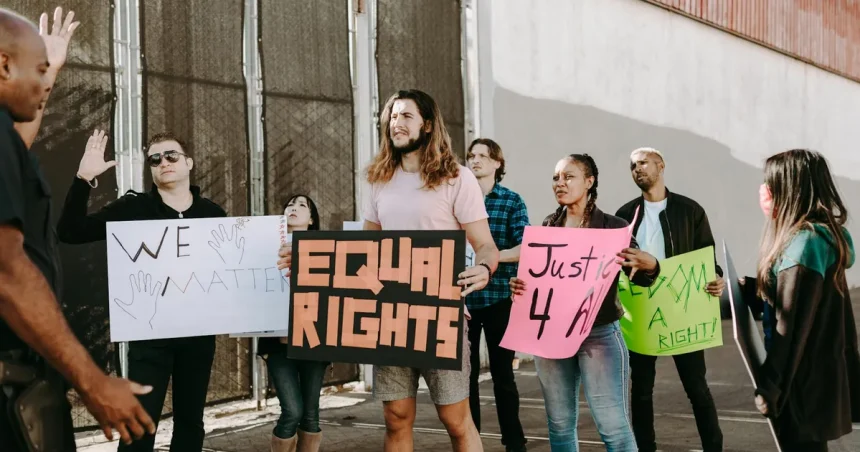
Understanding personal rights isn’t just about knowing what you’re entitled to—it’s about recognizing the invisible shield that protects your dignity, choices, and safety every single day. Whether you’re signing a lease, posting on social media, or simply walking down the street, these rights shape how you interact with the world and how the world interacts with you. Yet, for many, the concept remains shrouded in legal jargon or dismissed as something only lawyers need to worry about. The truth? Personal rights are the foundation of a fair society, and grasping them in simple terms can empower you to make smarter decisions, stand up for yourself, and even help others do the same. This guide breaks down the essentials without the complexity, so you can navigate life with confidence and clarity.
What Are Personal Rights? A Simple Breakdown
Personal rights are the basic freedoms and protections every individual is entitled to, simply by being human. They’re not privileges granted by governments or institutions—they’re inherent, meaning they exist whether or not they’re written into law. Think of them as the rules of the game for how people should treat you and how you should treat others. These rights cover everything from your physical safety to your ability to express yourself, own property, or seek justice when wronged. While laws vary by country, the core principles—like the right to life, liberty, and equality—are universally recognized, even if their application differs.
At their heart, personal rights can be grouped into three broad categories: civil rights (protections against discrimination), political rights (like voting or protesting), and human rights (fundamental freedoms like speech or privacy). For example, your right to a fair trial falls under civil rights, while your ability to criticize a policy without fear of arrest is a human right. These distinctions matter because they help you identify which rights are being violated and what recourse you have. If you’ve ever felt powerless in a situation—like being denied service because of your identity or having your privacy invaded—understanding these categories can be the first step toward reclaiming your agency.
Why Personal Rights Matter in Everyday Life
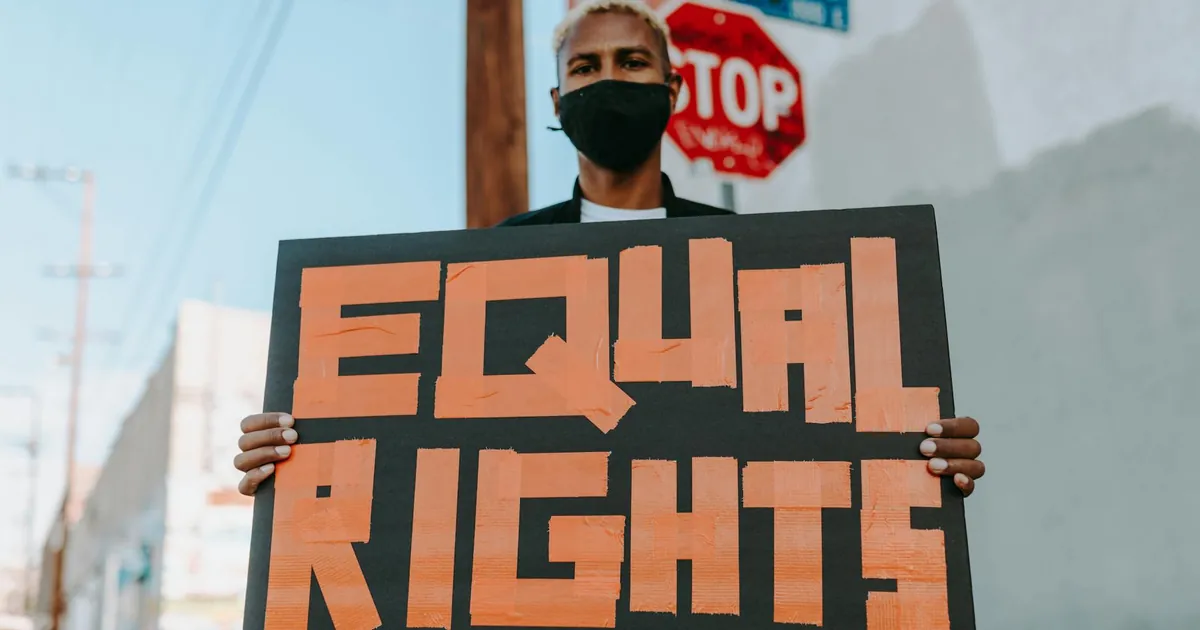
You might assume personal rights only come into play during dramatic moments—like a protest or a courtroom battle—but they’re woven into the fabric of daily life. Consider your morning routine: your right to privacy means your landlord can’t barge into your apartment without notice. Your right to free expression lets you share your opinions online without censorship (within legal limits). Even something as mundane as returning a faulty product ties into your consumer rights, which protect you from unfair business practices. These rights aren’t abstract—they’re tools that help you navigate work, relationships, and even technology.
When people don’t understand their rights, they’re more likely to accept mistreatment or miss opportunities to advocate for themselves. For instance, employees who don’t know their labor rights might tolerate unsafe working conditions or unpaid overtime. Similarly, tenants unaware of their housing rights could be exploited by landlords who overcharge or neglect repairs. Knowledge isn’t just power—it’s protection. By recognizing how personal rights apply to your life, you can spot red flags, ask the right questions, and take action before small issues escalate into bigger problems.
The Difference Between Rights and Privileges
One of the biggest sources of confusion is the difference between rights and privileges. A right is something you’re inherently entitled to, like freedom from discrimination or the right to a fair trial. A privilege, on the other hand, is a benefit that can be granted or revoked, like driving a car or accessing certain healthcare services. For example, voting is a right in most democracies, but obtaining a driver’s license is a privilege that comes with conditions (like passing a test). This distinction is crucial because it helps you understand what you can demand versus what you can request.
Misunderstanding this difference can lead to frustration. Imagine being denied a job because of your age and assuming it’s a violation of your rights—only to learn that age discrimination laws don’t apply to all industries or company sizes. While it’s unfair, it might not be illegal. Conversely, if you’re fired for reporting workplace safety violations, that’s a clear violation of your right to whistleblower protections. Knowing where the line is drawn between rights and privileges helps you set realistic expectations and focus your energy on battles you can actually win.
Your Right to Privacy: What You Need to Know
Privacy is one of the most debated personal rights in the digital age, yet many people don’t fully grasp what it entails. At its core, the right to privacy means you have control over your personal information and how it’s used. This includes everything from your medical records to your browsing history, and even your physical space. For example, your employer can’t install cameras in bathrooms or locker rooms, and companies can’t sell your data without your consent (in most cases). But privacy isn’t absolute—it’s balanced against other interests, like public safety or national security. This is why law enforcement might need a warrant to search your home but can access your public social media posts without one.
The rise of technology has made privacy more complicated. Smartphones, social media, and smart home devices collect vast amounts of data about you, often without your explicit knowledge. While laws like the GDPR in Europe or the FTC’s guidelines in the U.S. aim to protect consumers, many people unknowingly waive their rights by clicking “I agree” on lengthy terms-of-service agreements. To safeguard your privacy, start by reviewing app permissions, using strong passwords, and being mindful of what you share online. Remember: once information is public, it’s nearly impossible to take back.
How to Protect Your Digital Privacy

Protecting your digital privacy doesn’t require you to become a tech expert—just a few simple habits can make a big difference. First, enable two-factor authentication (2FA) on all your accounts. This adds an extra layer of security by requiring a code from your phone or email in addition to your password. Second, be cautious about what you post on social media. Even seemingly harmless details—like your pet’s name or your mother’s maiden name—can be used by hackers to guess your passwords. Third, use a virtual private network (VPN) when browsing on public Wi-Fi to prevent others from snooping on your activity.
Another critical step is to regularly review your privacy settings on platforms like Facebook, Google, and Instagram. These companies often change their policies, and what was private yesterday might be public today. For example, Facebook’s default settings have historically favored sharing over privacy, so it’s up to you to adjust them. Additionally, consider using privacy-focused tools like Signal for messaging or DuckDuckGo for searching the web. These services prioritize user privacy by minimizing data collection. Finally, be skeptical of unsolicited requests for personal information, whether they come via email, phone, or text. Scammers often pose as legitimate organizations to trick you into revealing sensitive data.
When Privacy Rights Collide with Public Interest
Not all privacy violations are black and white. Sometimes, your right to privacy clashes with the public’s right to know or safety concerns. For instance, journalists might publish private information about a public figure if it’s in the public interest, like exposing corruption. Similarly, law enforcement can access your phone records if they suspect you’re involved in a crime, but they typically need a warrant to do so. These exceptions exist to balance individual freedoms with broader societal needs, but they can also be abused.
One contentious area is surveillance. Governments and corporations often argue that mass data collection is necessary to prevent crime or improve services. However, critics warn that it can lead to overreach, like the U.S. government purchasing location data from apps without users’ consent. To navigate these gray areas, stay informed about how your data is being used and advocate for stronger protections. If you’re ever unsure whether your privacy is being violated, consult resources like the Electronic Frontier Foundation, which provides guidance on digital rights.
Freedom of Speech: Where Your Rights End

Freedom of speech is one of the most celebrated personal rights, but it’s also one of the most misunderstood. At its core, it means you can express your opinions without government censorship or punishment. However, this right doesn’t give you a free pass to say whatever you want, whenever you want. For example, you can’t yell “fire” in a crowded theater if there’s no fire, because it could cause panic and harm. Similarly, hate speech—while protected in some countries—can be restricted if it incites violence or discrimination. The key is that your speech can’t infringe on others’ rights or create a clear and present danger.
In the workplace, freedom of speech has even more limitations. Your employer can set rules about what you can say at work, especially if it disrupts the business or creates a hostile environment. For instance, you might have the right to criticize your company’s policies on your personal social media, but if you share confidential information or harass coworkers, you could face disciplinary action. The same goes for public figures—while they have the right to speak their minds, they can also be held accountable for defamation or slander if their words harm someone’s reputation. Understanding these boundaries helps you express yourself without crossing legal or ethical lines.
Social Media and the Illusion of Unlimited Speech
Social media has blurred the lines of free speech, making it seem like anything goes. Platforms like Twitter and Facebook often position themselves as champions of free expression, but they’re also private companies with their own rules. This means they can remove content or ban users for violating their terms of service, even if the speech is legally protected. For example, Twitter might suspend an account for hate speech, while a court would likely uphold the user’s right to say those things in a public park. This discrepancy can be confusing, especially when high-profile figures are deplatformed for controversial statements.
To navigate this landscape, it’s important to distinguish between legal rights and platform policies. Just because you can say something doesn’t mean you should, and just because a platform allows it doesn’t mean it’s legal. For instance, posting threats or revenge porn is illegal in many places, regardless of whether a social media site permits it. If you’re ever unsure about what you can or can’t say online, consult resources like the ACLU’s guide to free speech. And remember: while social media gives you a megaphone, it also amplifies the consequences of your words.
When Free Speech Becomes Harassment
The line between free speech and harassment is often thin, but it’s a critical one to understand. Harassment involves repeated, unwanted behavior that creates a hostile environment, whether it’s online or offline. For example, sending someone threatening messages, doxxing them (sharing their private information without consent), or stalking them are all forms of harassment, not free speech. Many countries have laws against cyberbullying and online harassment, and platforms like Instagram and Reddit have policies to address it. If you’re being harassed, document the behavior, report it to the platform, and consider contacting law enforcement if it escalates.
On the flip side, if you’re accused of harassment, it’s important to take it seriously. Even if you believe your actions were justified, the impact on the other person matters. For instance, repeatedly messaging someone who’s asked you to stop could be considered harassment, even if you didn’t intend to harm them. The best approach is to respect boundaries and engage in good-faith discussions. If you’re unsure whether your behavior crosses the line, ask yourself: Would I be okay with someone doing this to me? If the answer is no, it’s probably best to step back.
Your Rights in the Workplace: What Employers Can’t Do
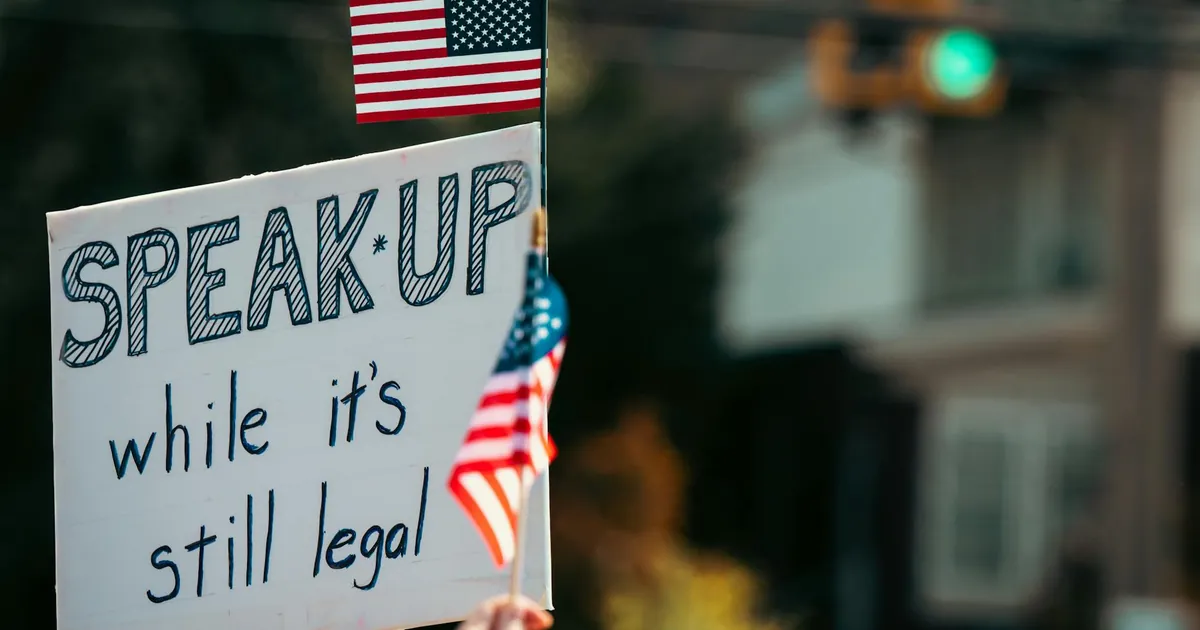
The workplace is where many people first encounter the limits of their personal rights. While employers have the right to set rules and expectations, they can’t violate your fundamental protections. For example, they can’t discriminate against you based on your race, gender, religion, or disability. They also can’t retaliate against you for reporting illegal activity, like safety violations or wage theft. These protections are enshrined in laws like the Civil Rights Act and the Occupational Safety and Health Act, but many employees don’t realize they exist until it’s too late.
One common misconception is that employers can fire you for any reason—or no reason at all. While this is true in “at-will” employment states (like most of the U.S.), there are exceptions. For instance, you can’t be fired for taking medical leave under the Family and Medical Leave Act (FMLA) or for reporting workplace discrimination. Similarly, employers can’t withhold your paycheck or force you to work in unsafe conditions. If you suspect your rights are being violated, start by documenting the incidents and reviewing your company’s policies. You can also file a complaint with agencies like the Equal Employment Opportunity Commission (EEOC) or consult an employment lawyer. Knowledge is your best defense against exploitation.
Wage Theft and Your Right to Fair Pay
Wage theft is one of the most common workplace violations, yet many employees don’t recognize it when it happens. It occurs when employers fail to pay workers what they’re owed, whether through unpaid overtime, misclassifying employees as independent contractors, or simply not paying the minimum wage. For example, if you’re a salaried employee but regularly work 60-hour weeks without overtime pay, your employer might be violating labor laws. Similarly, if you’re paid in cash “under the table,” you could be missing out on benefits like Social Security and unemployment insurance.
To protect yourself, keep detailed records of your hours worked and pay received. If you suspect wage theft, you can file a complaint with your state’s labor department or the U.S. Department of Labor. Many states also have wage theft laws that allow you to sue your employer for unpaid wages. Don’t assume you have to accept unfair treatment—your right to fair pay is non-negotiable.
Your Right to a Safe Work Environment
Every employee has the right to a safe workplace, free from hazards that could cause injury or illness. This includes everything from proper training and equipment to protection from harassment and violence. For example, if you work in construction, your employer must provide safety gear like hard hats and harnesses. If you work in an office, they must address ergonomic issues that could lead to repetitive strain injuries. Employers are also required to have procedures in place for reporting hazards and responding to emergencies.
If you feel your workplace is unsafe, start by reporting the issue to your supervisor or HR department. If they don’t take action, you can file a complaint with the Occupational Safety and Health Administration (OSHA). You also have the right to refuse work that poses an imminent danger to your health or safety. For instance, if you’re asked to operate a machine without proper training, you can legally decline without fear of retaliation. Your safety isn’t optional—it’s a right.
Key Takeaways: Personal Rights Simplified
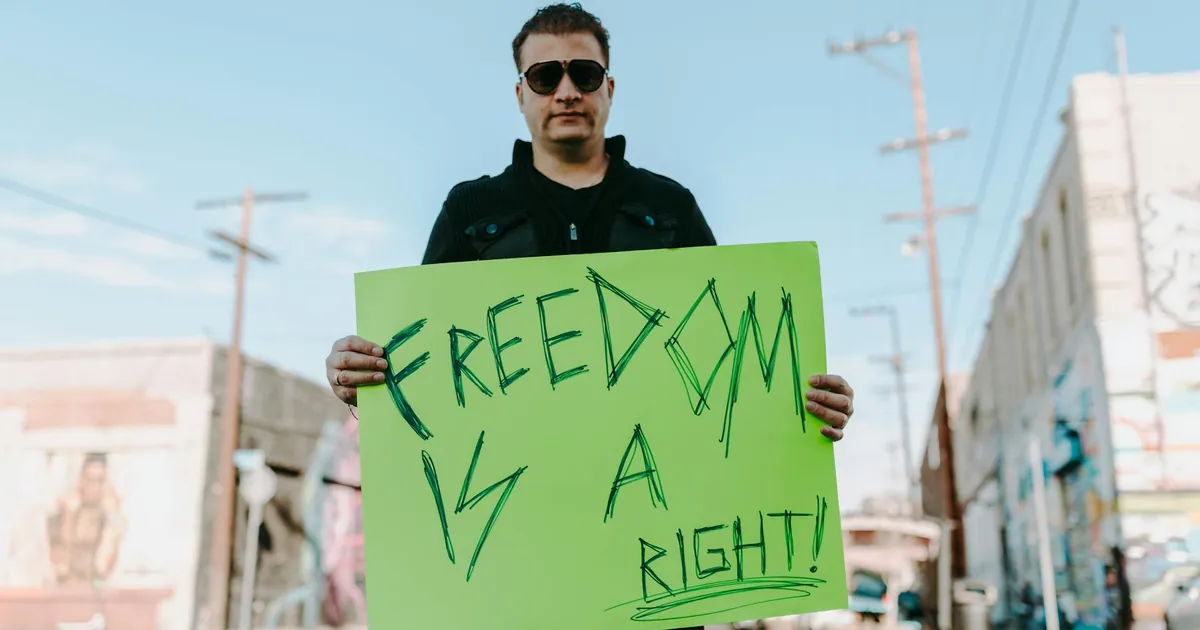
- Personal rights are inherent freedoms that protect your dignity, safety, and choices, regardless of laws.
- They fall into three main categories: civil rights (anti-discrimination), political rights (voting), and human rights (speech, privacy).
- Privacy rights give you control over your personal information, but they’re not absolute—public interest can override them.
- Freedom of speech is protected, but it doesn’t cover harassment, threats, or defamation.
- Workplace rights include fair pay, safety, and protection from discrimination or retaliation.
- Knowing your rights helps you spot violations and take action before small issues escalate.
- When in doubt, consult resources like the ACLU, EEOC, or OSHA for guidance.
“Personal rights are the bedrock of a just society. They’re not just legal concepts—they’re the tools that allow individuals to live with dignity and autonomy. The challenge is that many people don’t realize they have these rights until they’re violated. Education is the first line of defense.”
—Dr. Amara Okoye, Human Rights Lawyer and Professor at Harvard Law School
Frequently Asked Questions
Can my employer monitor my emails or computer at work?
Yes, in most cases. Employers have the right to monitor company-owned devices and networks, including emails, browsing history, and even keystrokes. However, they typically can’t monitor your personal accounts or devices unless you’ve given consent. Some states have additional protections, so check your local laws. If you’re concerned about privacy, avoid using work devices for personal matters and review your company’s IT policy.
What should I do if I’m discriminated against at work?
Start by documenting the incidents, including dates, times, and witnesses. Then, report the behavior to your HR department or supervisor. If the issue isn’t resolved, you can file a complaint with the Equal Employment Opportunity Commission (EEOC) or your state’s fair employment agency. It’s also a good idea to consult an employment lawyer to explore your options. Remember, retaliation for reporting discrimination is illegal, so don’t let fear stop you from speaking up.
Are my social media posts protected by free speech?
It depends. While the First Amendment protects your right to free speech from government censorship, private companies like Facebook or Twitter can set their own rules. This means they can remove posts or ban users for violating their terms of service, even if the speech is legally protected. However, if a government entity (like a public school or city council) punishes you for your posts, that could be a violation of your rights. When in doubt, assume that anything you post online could have consequences.
Can I be fired for refusing to work in unsafe conditions?
No. Under the Occupational Safety and Health Act (OSHA), you have the right to refuse work that poses an imminent danger to your health or safety. For example, if you’re asked to operate a machine without proper safety guards, you can legally decline without fear of retaliation. However, you must have a reasonable belief that the work is dangerous, and you should report the issue to your employer or OSHA as soon as possible. If you’re fired for refusing unsafe work, you can file a complaint with OSHA.
What are my rights if I’m arrested?
If you’re arrested, you have the right to remain silent and the right to an attorney. Anything you say can be used against you in court, so it’s best to invoke these rights immediately. You also have the right to a phone call, though the police can limit who you call (e.g., they might not let you call an accomplice). If you can’t afford an attorney, one will be provided for you. Never resist arrest, even if you believe it’s unjust—this can lead to additional charges. Instead, comply with the officers and challenge the arrest later with the help of a lawyer.
Can my landlord enter my apartment without notice?
Generally, no. Most states require landlords to give at least 24 hours’ notice before entering your apartment, except in emergencies like a fire or flood. They also can’t enter for non-emergency reasons without a valid purpose, like making repairs or showing the unit to potential tenants. If your landlord violates these rules, you can send them a written request to stop and, if necessary, take legal action. Check your lease and local tenant laws for specific requirements in your area.
What should I do if I receive a faulty product?
If you receive a faulty product, start by contacting the seller or manufacturer to request a refund, replacement, or repair. Many companies have return policies or warranties that cover defects. If they refuse to help, you can file a complaint with your state’s consumer protection agency or the Federal Trade Commission (FTC). For more detailed steps, check out this related article on handling faulty products. Keep records of your communications and receipts in case you need to escalate the issue.
Understanding your personal rights isn’t just about avoiding trouble—it’s about living with confidence and agency. Whether you’re standing up to an unfair employer, protecting your privacy online, or simply knowing when to say “no,” these rights give you the power to shape your own life. The world is full of rules, but it’s also full of people who don’t know them. By taking the time to learn yours, you’re not just protecting yourself—you’re setting an example for others to do the same. Start small: pick one area, like workplace rights or digital privacy, and dive deeper. The more you know, the less likely you are to be taken advantage of. And if you ever feel unsure, remember that resources and experts are just a click away. Your rights matter—don’t let anyone convince you otherwise.