

Navigating the rental market can feel like stepping into a labyrinth, especially when it comes to understanding your tenant rights. Many renters unknowingly forfeit crucial protections due to a lack of awareness, leading to stressful situations and unfair treatment. This comprehensive guide is designed to demystify your legal standing as a tenant, empowering you with the knowledge to secure a safe, comfortable, and legally sound living environment. From understanding the lease agreement to knowing your rights regarding repairs, privacy, and lease termination, we’ll break down the essential tenant rights every renter should know. Ignoring these rights isn’t just a missed opportunity; it can be a costly oversight. Whether you’re a first-time renter or a seasoned tenant, equipping yourself with this information is your first line of defense against landlord disputes and potential exploitation. Let’s dive deep into what the law guarantees you.
Your Lease: The Tenant’s Foundation
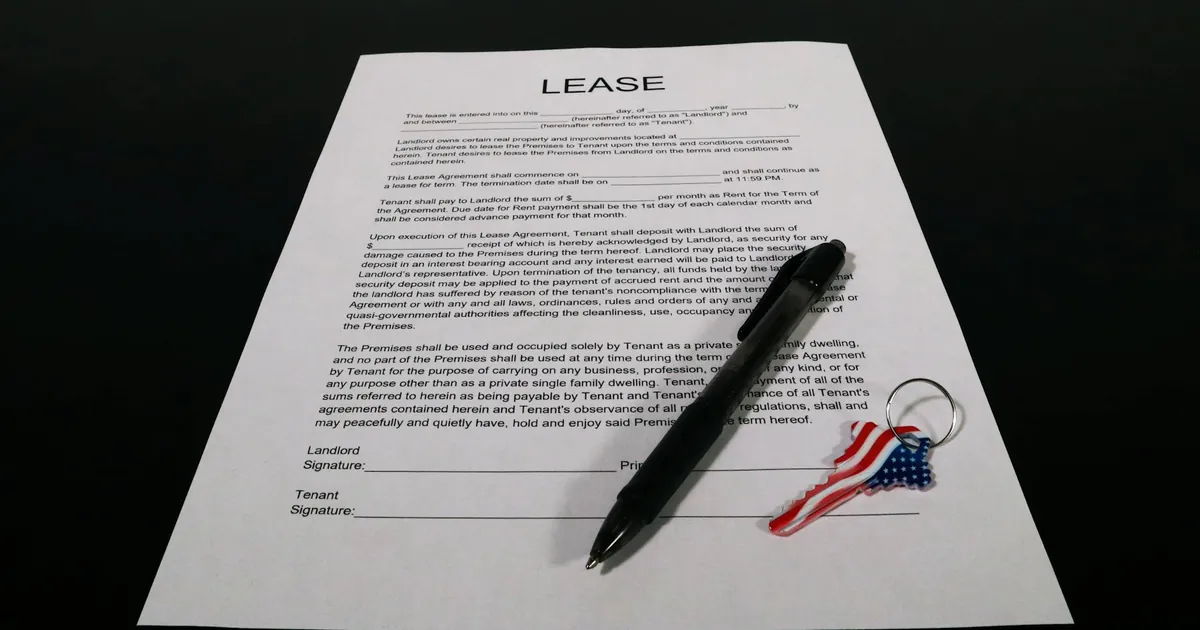
The lease agreement is the cornerstone of your landlord-tenant relationship, a legally binding contract outlining the terms and conditions of your rental. It’s imperative to scrutinize every clause before signing, as ignorance of its contents is no defense against its stipulations. Most leases are for a fixed term, such as one year, but month-to-month leases are also common. Understand the duration, the rent amount and due date, late fees, and the rules regarding pets, guests, and smoking. Crucially, pay attention to clauses about subletting and lease termination, which often have specific notice requirements. A well-drafted lease protects both parties by setting clear expectations. Many standard leases are drafted by landlords and may contain clauses that are not fully in your favor. For instance, a clause might allow the landlord to enter your home with minimal notice, which may not align with your right to privacy. It’s wise to consult with a legal professional or a tenant advocacy group if any part of the lease seems ambiguous or overly restrictive. Remember, your lease is a critical document that governs your tenancy, and fully understanding its implications is a fundamental tenant right. This document is also where details about security deposits, utility responsibilities, and maintenance obligations are often found, making thorough review non-negotiable. Think of it as your roadmap for a smooth tenancy. For more on this, you can explore legal tips before renting a house.
Right to a Habitable Home

One of the most fundamental tenant rights is the right to live in a safe and habitable property. This is often referred to as the landlord’s “implied warranty of habitability.” It means your landlord has a legal obligation to maintain the rental unit and the property in a condition fit for human habitation throughout your tenancy. This includes ensuring the property is structurally sound, free from pests, has reliable access to essential utilities like water, heat, and electricity, and meets basic health and safety standards. Major issues like a leaky roof, persistent mold growth, a non-functioning toilet, or a broken heating system in winter typically fall under the landlord’s responsibility to repair promptly. Minor issues, like a dripping faucet, might be considered less urgent but should still be addressed within a reasonable timeframe. If your landlord fails to make necessary repairs after you’ve provided written notice, you may have legal recourse, which can vary by jurisdiction. This could include withholding rent (under strict legal guidelines), making repairs yourself and deducting the cost from rent, or even breaking the lease without penalty. However, it’s crucial to follow the correct procedures in your state or city, as improper action can lead to eviction. Documenting all communication with your landlord, including photos and videos of the issues, is vital evidence if a dispute arises. This right ensures that you are not living in conditions that could endanger your health or well-being. For a deeper understanding of how fundamental rights apply, consider reviewing basic legal rights everyone should know.
Landlord’s Duty to Repair
Your landlord has a legal duty to maintain the property in good repair. This extends beyond just the interior of your unit to common areas and the building’s overall structure. When a repair is needed, you should notify your landlord in writing, keeping a copy for your records. Most jurisdictions require that landlords respond to repair requests within a specific timeframe, often a few days for emergencies and a couple of weeks for non-emergencies. If the landlord fails to act, state and local laws provide remedies. It’s essential to understand these procedures to avoid jeopardizing your tenancy. For instance, simply stopping rent payments without following legal steps could put you at risk of eviction. Always use certified mail or obtain a signed receipt when sending notices to your landlord to prove delivery.
Your Right to Privacy

While landlords own the property, you have a right to quiet enjoyment, which includes the right to privacy within your rented home. Landlords cannot enter your unit whenever they please. Most states require landlords to provide reasonable notice before entering, typically 24 to 48 hours, and specify that entry must be for legitimate reasons, such as making repairs, conducting inspections, or showing the property to prospective tenants or buyers. Emergency situations, like a fire or flood, are usually an exception to the notice requirement, allowing immediate entry. It’s important to know what constitutes “reasonable notice” in your area, as this can vary. Some leases might attempt to outline different entry procedures, but these cannot supersede state or local laws designed to protect tenant privacy. If your landlord repeatedly enters your unit without proper notice or for non-legitimate reasons, it can be considered a breach of your lease and your right to quiet enjoyment. This could give you grounds to seek legal remedies, such as suing for damages or terminating your lease. Maintaining open communication about scheduled visits and keeping your doors locked when you’re not home are practical steps to protect your privacy, but your legal rights are the ultimate safeguard. For more on safeguarding your personal legal standing, explore how to protect your legal rights in daily life.
Security Deposits: Understanding Your Money
Security deposits are funds paid upfront to cover potential damages to the rental property beyond normal wear and tear, or for unpaid rent. Your landlord must typically return your deposit within a specific timeframe after you move out, often 14 to 30 days, depending on your state’s laws. They are usually required to provide an itemized list of any deductions made from your deposit, along with receipts for repair costs. If deductions are excessive or unjustified, you have the right to dispute them. Keep detailed records of the property’s condition when you moved in, including photos and videos, and do the same when you move out. This documentation is crucial for proving what constitutes “normal wear and tear” versus actual damage. Some states also limit the amount a landlord can charge for a security deposit, often capping it at one or two months’ rent. There are also specific rules about how landlords must hold these funds, sometimes requiring them to be kept in a separate escrow account. Familiarize yourself with your local laws regarding security deposits, as they can significantly differ. This knowledge empowers you to retrieve your funds fairly and promptly. Understanding these financial protections is a key element of being an informed renter.
Eviction Procedures: What Landlords Must Do
Facing eviction is a daunting prospect, but landlords cannot simply kick you out whenever they please. They must follow a strict legal process, which varies by jurisdiction but generally involves providing you with written notice of the reason for eviction, followed by a court order if you do not vacate the premises. Common reasons for eviction include non-payment of rent, violation of lease terms, or the end of a lease term. The notice period required varies depending on the reason for eviction and local laws. For example, non-payment of rent typically requires a shorter notice period than a lease violation. You have the right to respond to an eviction lawsuit and present your case in court. A landlord cannot resort to “self-help” eviction tactics, such as changing the locks, shutting off utilities, or removing your belongings without a court order and proper legal procedure. These actions are illegal and can result in serious penalties for the landlord. If you receive an eviction notice, do not ignore it. Seek legal advice immediately to understand your rights and options. Many communities have free or low-cost legal aid services available for tenants facing eviction. Understanding the legal eviction process is a critical tenant right that protects you from unlawful displacement. This ensures due process and prevents landlords from taking arbitrary action.
Rent Increases and Lease Renewals
Landlords typically cannot increase rent during a fixed-term lease unless the lease agreement specifically allows for it. For month-to-month tenancies, landlords usually must provide advance written notice of a rent increase, with the required notice period dictated by state or local laws, often 30 to 60 days. Similarly, if a landlord decides not to renew your lease, they must provide you with proper written notice, the length of which also depends on local regulations and the type of lease you have. If your lease is ending and the landlord wishes to renew, they may propose new terms, including a rent increase. You have the right to accept these new terms, negotiate, or decline and vacate the property. Understanding these timelines and notification requirements is crucial for planning your living situation and avoiding unexpected rent hikes or lease terminations.
Fair Housing: Protection Against Discrimination
The Fair Housing Act (FHA) is a federal law that prohibits discrimination in housing based on race, color, religion, sex, familial status, national origin, and disability. Many states and cities have expanded these protections to include other characteristics, such as sexual orientation, gender identity, marital status, age, and receipt of public assistance. This means that landlords cannot refuse to rent to you, offer different terms or conditions, or evict you based on these protected characteristics. If you believe you have experienced housing discrimination, you can file a complaint with the U.S. Department of Housing and Urban Development (HUD) or your state’s fair housing agency. Understanding your rights under fair housing laws ensures that everyone has equal access to housing opportunities and is treated fairly throughout their tenancy. This is a universal right that underpins the fundamental principles of equality and justice in housing. It’s essential to remember that discrimination can be subtle, making it important to recognize and report any potentially biased treatment. This is one of the most crucial common legal rights people are not aware of.
Key Takeaways

- Thoroughly review and understand your lease agreement before signing.
- Your landlord must maintain the property to be safe and habitable.
- You have a right to privacy and reasonable notice before landlord entry.
- Be aware of security deposit limits, deductions, and return timelines.
- Landlords must follow strict legal procedures for evictions.
- Know your rights regarding rent increases and lease renewals.
- You are protected from housing discrimination under fair housing laws.
“Empowering renters with knowledge about their legal rights is paramount to fostering fair and equitable housing practices. An informed tenant is a protected tenant, capable of navigating landlord-tenant relationships with confidence and ensuring their fundamental rights are upheld.”
Anonymous Housing Advocate
Frequently Asked Questions
What should I do if my landlord doesn’t make necessary repairs?
First, notify your landlord in writing of the issue, specifically mentioning it is a habitability concern. Keep a copy of this notice. If the landlord fails to respond within a reasonable timeframe (as defined by your local laws), you may have options such as rent withholding, repair and deduct, or lease termination. However, always follow the strict legal procedures outlined by your state or local laws to avoid repercussions.
Can my landlord enter my apartment for any reason?
No. Landlords generally must provide reasonable notice (usually 24-48 hours) before entering your premises, and entry must be for a legitimate purpose, such as repairs, inspections, or showing the unit. Emergencies are an exception.
What is considered “normal wear and tear” versus damage?
Normal wear and tear refers to the natural deterioration of the property from everyday use, such as minor scuffs on walls or worn carpeting. Damage, on the other hand, is caused by accidents, abuse, or neglect, like large holes in walls, pet-stained carpets, or broken windows. Your security deposit should not be used to cover normal wear and tear.
How much notice must a landlord give for a rent increase?
This varies significantly by location. Typically, landlords must provide written notice at least 30 to 60 days before a rent increase takes effect, especially for month-to-month tenancies. For fixed-term leases, rent can generally only be increased at renewal unless stipulated otherwise in the lease.
Can a landlord evict me for having a guest stay over?
Generally, no, unless the guest becomes a permanent resident without the landlord’s permission, or their presence violates lease terms (e.g., pet policies, occupancy limits). Short-term guests are usually permissible. However, landlords can evict for lease violations, so always check your lease for specific clauses.
Understanding and asserting your tenant rights is not about being difficult; it’s about ensuring you are treated with fairness and respect throughout your tenancy. Armed with this knowledge, you can proactively address potential issues, negotiate effectively, and enjoy a more secure and predictable living situation. Don’t let confusion or uncertainty leave you vulnerable. Take the steps to educate yourself and your community about these essential protections. If you encounter a landlord-tenant issue and are unsure of your rights, consulting with a legal professional or a local tenant advocacy organization is always a wise course of action.