


Writing a legal notice is a crucial step in protecting your rights and interests, and it’s essential to do it correctly to avoid any potential issues. A well-crafted legal notice can help you resolve disputes, prevent lawsuits, and even save you from financial losses. However, many people struggle to write an effective legal notice, which is why we’ve put together this comprehensive guide to help you through the process. With the rise of online transactions and digital communication, the importance of a well-written legal notice has never been more critical. According to Forbes, a single misstep in a legal notice can lead to severe consequences, including financial losses and damage to your reputation. To learn more about your rights, you can visit Related Article and stay informed about the latest developments in the legal landscape.
What is a Legal Notice
A legal notice is a formal statement that informs someone of a specific fact, situation, or intention, and it’s usually used to resolve disputes, enforce rights, or prevent potential issues. A well-written legal notice should be clear, concise, and free of ambiguities, and it should include all the necessary details, such as the parties involved, the issue at hand, and the desired outcome. For instance, if you’ve received a faulty product, you can refer to Related Article to learn more about your rights and the steps you can take to resolve the issue. To write an effective legal notice, you need to understand the basics of legal writing, including the use of plain language and the importance of clear headings.
Types of Legal Notices
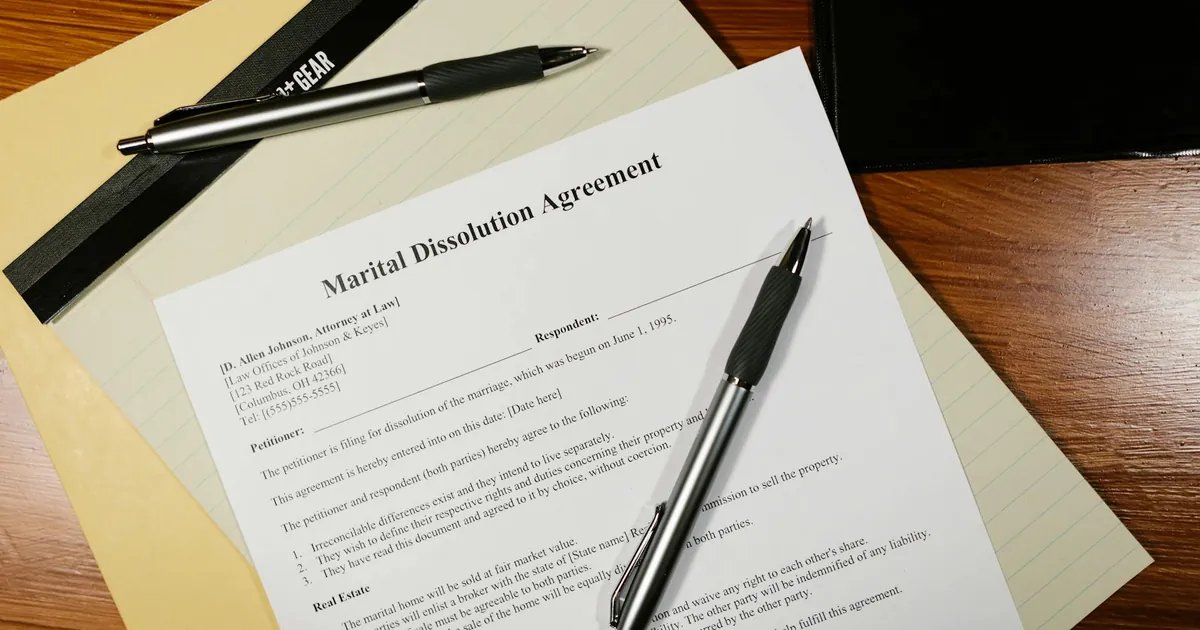
There are several types of legal notices, each with its own purpose and requirements. Some common types of legal notices include cease and desist letters, demand letters, and notices of intent. A cease and desist letter is used to stop someone from engaging in a specific activity, such as infringing on your copyright or trademark. A demand letter is used to demand payment or action from someone, such as a debt collector or a landlord. A notice of intent is used to inform someone of your intention to take a specific action, such as filing a lawsuit or terminating a contract. You can visit Wikipedia to learn more about the different types of legal notices and their applications.
Formal vs. Informal Notices
When it comes to writing a legal notice, it’s essential to determine whether you need a formal or informal notice. A formal notice is typically used in more serious situations, such as lawsuits or contract disputes, and it should be written in a formal tone and language. An informal notice is used in less formal situations, such as resolving a minor dispute with a neighbor or a business partner, and it can be written in a more casual tone and language.
Electronic vs. Paper Notices

Another important consideration when writing a legal notice is whether to use an electronic or paper notice. An electronic notice is faster and more convenient, but it may not be suitable for all situations, such as when you need to provide proof of delivery or receipt. A paper notice is more traditional and provides a tangible record, but it can be slower and more expensive to deliver.
How to Write a Legal Notice
Writing a legal notice requires careful planning and attention to detail. You need to start by identifying the purpose of the notice and the desired outcome. Then, you need to gather all the necessary information, including the names and addresses of the parties involved, the relevant dates and events, and the specific issues or disputes. Next, you need to organize the information in a clear and logical manner, using headings and subheadings to separate the different sections. Finally, you need to review and revise the notice to ensure it’s accurate, complete, and free of errors.
Key Elements of a Legal Notice
A legal notice should include several key elements, including the header, the body, and the footer. The header should include the sender’s name and address, as well as the date and time of the notice. The body should include the main content of the notice, such as the purpose, the issues or disputes, and the desired outcome. The footer should include any additional information, such as the sender’s contact details or a statement of authenticity.
Legal Notice Templates
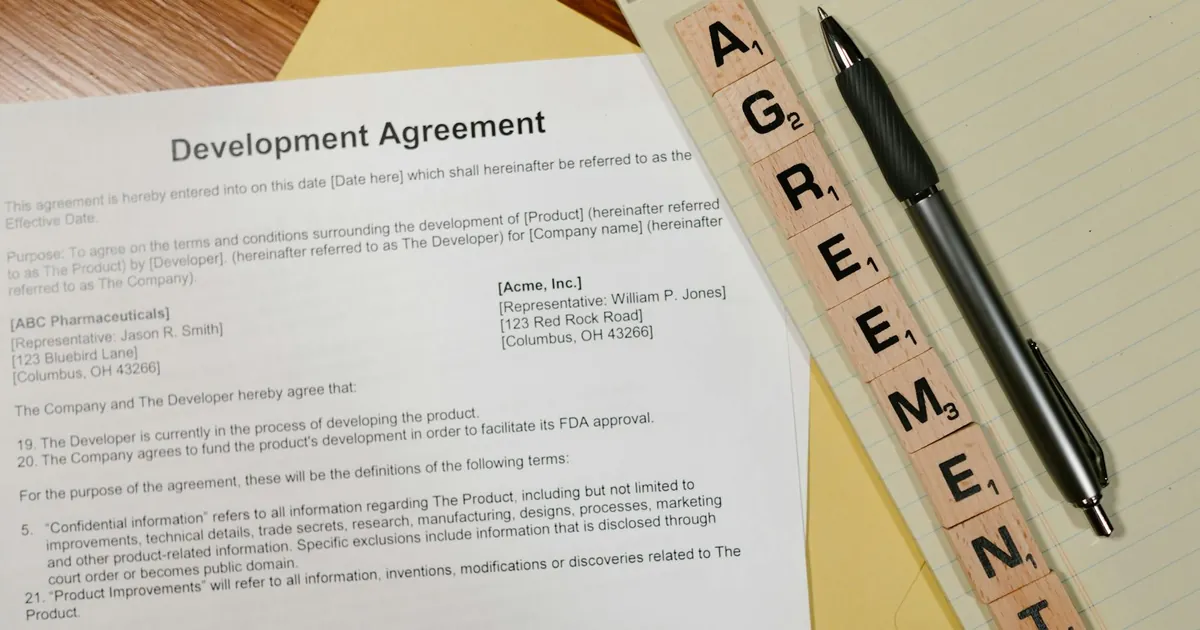
Using a legal notice template can help you save time and ensure your notice is properly formatted and structured. However, it’s essential to remember that a template is just a starting point, and you need to customize it to fit your specific needs and circumstances. You can find many free and paid templates online, but make sure to choose one from a reputable source and review it carefully before using it.
Customizing a Template
Customizing a legal notice template requires careful attention to detail. You need to review the template carefully and replace any placeholder text with your own information. You also need to ensure the template is properly formatted and structured, with clear headings and subheadings, and adequate whitespace to make it easy to read.
Using Online Tools

There are many online tools and resources available to help you write and customize a legal notice. For example, you can use online templates and wizards to generate a notice, or you can use editing software to customize a template. You can also use online research tools to find examples and samples of legal notices, and to learn more about the specific laws and regulations that apply to your situation.
Key Takeaways
- Use a clear and concise writing style
- Include all necessary information, such as names and addresses
- Use headings and subheadings to separate sections
- Review and revise the notice carefully to ensure accuracy and completeness
- Use a formal tone and language, unless it’s a less formal situation
Writing a legal notice is a critical step in protecting your rights and interests, and it’s essential to do it correctly to avoid any potential issues. A well-crafted legal notice can help you resolve disputes, prevent lawsuits, and even save you from financial losses. As an expert in the field, I always recommend seeking professional advice when writing a legal notice, especially if you’re not familiar with the laws and regulations that apply to your situation.
Frequently Asked Questions
What is the purpose of a legal notice?
The purpose of a legal notice is to inform someone of a specific fact, situation, or intention, and to resolve disputes, enforce rights, or prevent potential issues.
How do I write a legal notice?
To write a legal notice, you need to identify the purpose and desired outcome, gather all necessary information, organize the information in a clear and logical manner, and review and revise the notice to ensure accuracy and completeness.
What are the key elements of a legal notice?
The key elements of a legal notice include the header, the body, and the footer, as well as any additional information, such as the sender’s contact details or a statement of authenticity.
Can I use a template to write a legal notice?
Yes, you can use a legal notice template to help you save time and ensure your notice is properly formatted and structured. However, it’s essential to remember that a template is just a starting point, and you need to customize it to fit your specific needs and circumstances.
Do I need to seek professional advice when writing a legal notice?
While it’s not always necessary to seek professional advice when writing a legal notice, it’s highly recommended, especially if you’re not familiar with the laws and regulations that apply to your situation. A lawyer or other legal professional can help you ensure your notice is accurate, complete, and effective.
In conclusion, writing a legal notice is a critical step in protecting your rights and interests, and it’s essential to do it correctly to avoid any potential issues. By following the tips and guidelines outlined in this article, you can ensure your notice is clear, concise, and effective, and that you’re taking the necessary steps to resolve disputes, prevent lawsuits, and protect your rights. Remember to always seek professional advice if you’re unsure about any aspect of the process, and to stay informed about the latest developments in the legal landscape.