


When police pull you over or approach you on the street, your heart might race, your palms sweat, and your mind goes blank—what are your rights in this moment? Knowing your legal protections during a police stop isn’t just about avoiding trouble; it’s about safeguarding your dignity, privacy, and freedom. Whether you’re driving home from work, walking through your neighborhood, or simply going about your day, understanding these rights can mean the difference between a routine interaction and a life-altering encounter. The law grants you specific protections, but many people unknowingly waive them out of fear, confusion, or misplaced trust. This guide breaks down exactly what you can—and can’t—do when stopped by police, so you can navigate these situations with confidence and clarity.
What Are Your Rights During a Police Stop?
Your rights during a police stop are the legal protections guaranteed by the U.S. Constitution, designed to prevent unlawful searches, seizures, and self-incrimination. These rights apply whether you’re in a car, on foot, or at home, and they include the right to remain silent, the right to refuse consent to searches, and the right to legal representation. However, the way you assert these rights matters just as much as knowing them. Police are trained to gather information, and even a simple “yes” or “no” can be used against you later. Understanding the nuances—like when to speak, when to stay quiet, and how to document the encounter—can protect you from overreach and ensure your rights aren’t violated.
For example, if an officer asks, “Do you know why I pulled you over?” your answer could be interpreted as an admission of guilt. Instead, you might say, “I’d prefer not to answer that question.” This isn’t about being difficult; it’s about exercising your Fifth Amendment right against self-incrimination. Similarly, if an officer asks to search your car or belongings, you have the right to refuse—unless they have probable cause or a warrant. Many people mistakenly believe they must comply with every request, but the law is clear: you don’t have to consent to searches that aren’t legally justified. To dive deeper into your foundational legal rights, check out this Related Article.
When Can Police Legally Stop You?

Police can’t stop you on a whim. The law requires them to have reasonable suspicion that you’ve committed, are committing, or are about to commit a crime. This standard is lower than probable cause but must be based on specific, articulable facts—not just a hunch. For instance, if an officer sees you swerving between lanes, that’s reasonable suspicion for a traffic stop. If they see you walking down the street at night, that alone isn’t enough. During a stop, officers may ask for your identification and, in some states, require you to provide it. However, they can’t detain you indefinitely without escalating the situation to an arrest.
In a vehicle, the rules are slightly different. Police can pull you over for traffic violations, equipment issues (like a broken taillight), or if your car matches the description of one involved in a crime. Once stopped, they can ask for your license, registration, and proof of insurance. You’re legally required to provide these documents, but you don’t have to answer questions about where you’re going, where you’ve been, or whether you’ve been drinking. If the stop lasts longer than necessary to address the initial reason for pulling you over, it may violate your Fourth Amendment rights against unreasonable seizures.
What to Do If You’re Stopped on Foot
If police stop you while you’re walking, the rules depend on whether they have reasonable suspicion. If they don’t, you’re free to walk away—though doing so calmly is key. If they do have a reason to detain you, stay calm and ask, “Am I free to go?” If the answer is no, you’re being detained, and you should comply with basic requests (like providing ID if required by state law) but avoid volunteering information. You don’t have to consent to a pat-down unless the officer has reasonable suspicion you’re armed and dangerous. If they search you without consent or probable cause, any evidence they find may be inadmissible in court.
One common misconception is that you must answer all of an officer’s questions. You don’t. Politely declining to answer—especially about your activities, associates, or whereabouts—can prevent you from accidentally incriminating yourself. If the encounter escalates, remember that you have the right to record the interaction (where legally permitted) and to ask for an attorney if you’re arrested. For more on handling these situations, this guide on basic legal rights offers practical advice.
Your Right to Remain Silent: How and When to Use It
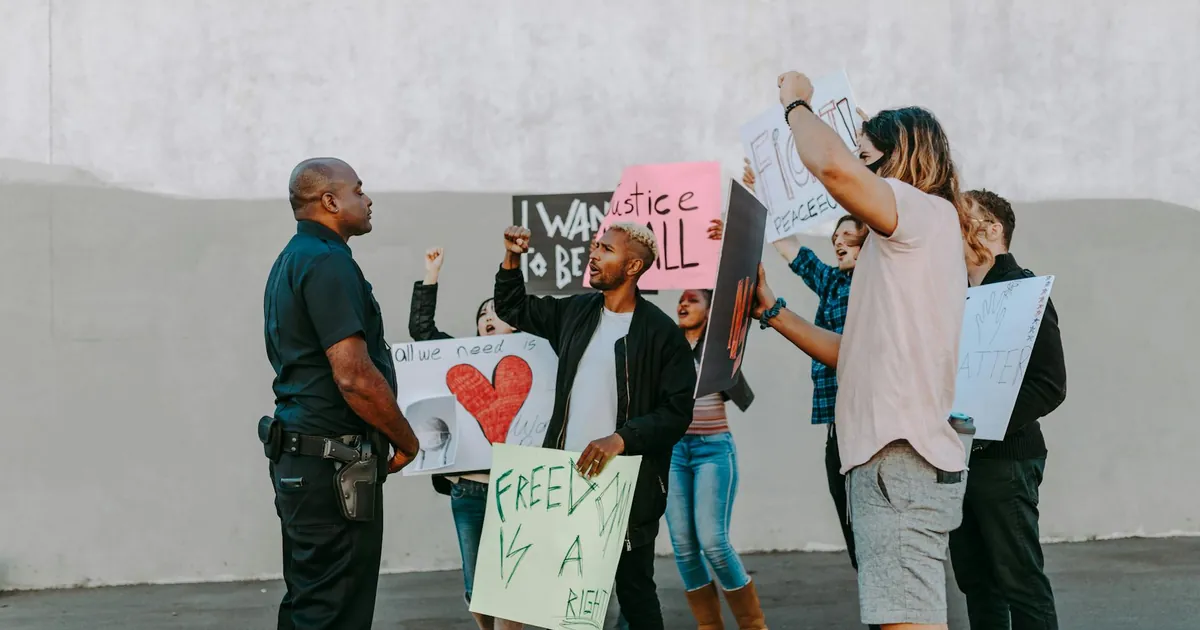
The right to remain silent is one of your most powerful tools during a police stop, but it’s often misunderstood. Many people think they can talk their way out of trouble, but anything you say can—and likely will—be used against you in court. This right isn’t just for guilty people; it’s for anyone who wants to avoid misinterpretation, coercion, or unintentional admissions. The Miranda warning, which officers read during arrests, reminds you of this right, but you don’t have to wait until you’re in handcuffs to invoke it. You can—and should—assert it the moment police start asking questions.
To invoke your right to remain silent, you don’t have to say anything dramatic. A simple, “I choose to remain silent” or “I don’t wish to answer any questions” is sufficient. Once you’ve said this, stop talking. Even small talk or “harmless” answers can be twisted later. For example, if an officer asks, “Do you know how fast you were going?” and you say, “I think I was under the speed limit,” that could be used as evidence that you were speeding. Silence is your safest option. If you’re in a car, you can hand over your documents and then say, “I’m going to remain silent now.” This makes it clear you’re not being uncooperative—you’re exercising your rights.
What Happens If You Don’t Invoke Your Right?
If you don’t explicitly invoke your right to remain silent, police can continue questioning you, and anything you say can be used in court. Courts have ruled that simply staying quiet isn’t enough; you must clearly state your intention to remain silent. This is why it’s critical to use the right words. Saying, “I don’t want to talk” or “I’m not answering questions” may not be enough. The phrase “I invoke my right to remain silent” is the most legally protective. Once you’ve said it, police must stop questioning you—at least temporarily. If they continue, any statements you make afterward may be inadmissible.
It’s also worth noting that your right to remain silent doesn’t apply to basic identification questions. In most states, you’re required to provide your name, address, and sometimes your ID if asked. Refusing to do so can lead to charges like obstructing justice or failure to identify. The key is to provide the minimum required information and then invoke your right to silence for everything else. If you’re unsure about your state’s laws, this overview of legal rights can help clarify the rules.
Can Police Lie to You During Questioning?
Yes, police can—and often do—lie during interrogations. They might tell you they have evidence they don’t, claim a witness identified you when they didn’t, or say that cooperating will lead to a lighter sentence. These tactics are legal and designed to pressure you into talking. This is why remaining silent is so important. Even if you’re innocent, you might say something that sounds incriminating under pressure. For example, if an officer says, “We found your fingerprints at the scene,” and you respond, “That’s impossible, I wasn’t there,” you’ve just placed yourself at the scene in your own words.
The best way to protect yourself is to assume everything an officer says is a tactic to get you to talk. Stay calm, invoke your right to remain silent, and wait for an attorney. If you’re arrested, you have the right to a lawyer, and you should ask for one immediately. Police must stop questioning you once you request an attorney, though they may try to resume later. Remember, the goal of an interrogation isn’t always to find the truth—it’s to get a confession. Don’t let their tactics override your rights.
Search and Seizure: When Can Police Search You or Your Property?
The Fourth Amendment protects you from unreasonable searches and seizures, but the rules aren’t always straightforward. Police can search you, your car, or your belongings in specific situations: if they have a warrant, if you consent, if they have probable cause, or if there are exigent circumstances (like evidence being destroyed). However, many searches happen because people don’t know they can refuse. For example, if an officer asks, “Mind if I take a look in your trunk?” and you say, “Sure,” you’ve just given up your right to challenge the search later. Even if the officer didn’t have a legal reason to search, your consent makes it valid.
In a vehicle, police can search your car without a warrant if they have probable cause to believe it contains evidence of a crime. This could be something as simple as the smell of marijuana or seeing drug paraphernalia in plain view. They can also search your car if you’re arrested, but only within the “grab area” (the immediate space around you). If they want to search your phone, they generally need a warrant, thanks to a 2014 Supreme Court ruling. The bottom line? Never consent to a search. If police have a legal reason to search, they’ll do it without your permission. If they don’t, your refusal can protect you later.
What Counts as Probable Cause?
Probable cause is the legal standard that allows police to search or arrest you without a warrant. It means they have enough evidence to believe a crime has been committed and that you’re involved. For example, if an officer sees you exchange money for a small baggie in a known drug area, that’s probable cause for a search. If they pull you over for speeding and see an open container of alcohol in your cup holder, that’s probable cause to search your car for more evidence of drunk driving. Probable cause is subjective, which is why it’s often challenged in court.
If you believe police searched you or your property without probable cause, you can challenge the search in court. A judge will review the circumstances to determine if the officer’s actions were justified. If the search was illegal, any evidence found may be thrown out under the exclusionary rule. This is why it’s so important to document the encounter—write down what happened, get the officer’s name and badge number, and note any witnesses. This information can be crucial if you need to fight the search later.
Can Police Search Your Phone or Digital Devices?
Your phone contains some of your most private information, and the law treats it differently than other belongings. In 2014, the Supreme Court ruled in Riley v. California that police generally need a warrant to search the contents of your phone, even if you’re arrested. This is because phones hold vast amounts of personal data, from messages and photos to location history and financial records. However, there are exceptions. Police can search your phone without a warrant if you consent, if they believe evidence is being destroyed (like if you’re deleting files in front of them), or if they’re searching for weapons in a pat-down.
If an officer asks to search your phone, you have the right to refuse. You can say, “I do not consent to a search of my phone.” If they take your phone anyway, don’t try to physically resist—this could lead to additional charges. Instead, make it clear you’re not consenting, and contact a lawyer as soon as possible. If you’re concerned about your digital privacy, consider using strong passwords and encryption to protect your data. For more on protecting your rights during searches, this guide offers detailed advice.
Recording Police Encounters: Your Rights and Risks
In most states, you have the right to record police officers performing their duties in public. This right is protected by the First Amendment and has been upheld by courts across the country. Recording can be a powerful tool for accountability, as it provides an objective record of what happened during an encounter. However, there are risks. Some officers may try to stop you from recording, confiscate your device, or even arrest you under bogus charges like interfering with police duties or disorderly conduct. Knowing how to record safely and legally can help you avoid these pitfalls.
To record effectively, keep your distance, don’t interfere with the officer’s work, and make it clear you’re recording (e.g., by holding your phone out in front of you). If an officer tells you to stop recording, politely but firmly state that you have the right to do so. You don’t have to explain yourself or engage in a debate. If they threaten to arrest you, comply with their orders (like putting your hands up) but continue recording if possible. After the encounter, back up your footage immediately—some officers have been known to delete recordings from confiscated devices.
Where Can You Legally Record Police?
You can record police in any public space where you have a legal right to be. This includes streets, sidewalks, parks, and even inside your car (as long as you’re not interfering with the officer’s work). However, there are limits. You can’t record in private spaces without permission, and you can’t record in a way that obstructs police activity. For example, if you’re standing in the middle of the road to record a traffic stop, an officer can ask you to move. If you refuse, you could be charged with obstructing justice.
Some states have two-party consent laws, which require all parties to consent to being recorded. However, courts have generally ruled that these laws don’t apply to recording police in public, as there’s no expectation of privacy in those situations. If you’re unsure about your state’s laws, check local regulations or consult a legal expert. Recording can be a powerful way to protect your rights, but it’s important to do it responsibly.
What to Do If Police Try to Stop You from Recording
If an officer tells you to stop recording, stay calm and assert your rights. You can say, “I’m not interfering with your work, and I have the right to record in public.” If they threaten to arrest you, comply with their orders (like putting your hands up or stepping back) but don’t stop recording unless they physically take your device. If they do take your phone, don’t resist—this could lead to additional charges. Instead, make a note of the officer’s name and badge number, and contact a lawyer as soon as possible.
After the encounter, back up your footage immediately. Some officers have been known to delete recordings from confiscated devices, so uploading it to the cloud or sending it to a friend can preserve the evidence. If your rights were violated, you may have grounds for a lawsuit. Organizations like the ACLU offer resources and legal support for people whose recording rights have been infringed upon. Remember, recording isn’t about causing trouble—it’s about holding those in power accountable.
What to Do If Your Rights Are Violated
If you believe your rights were violated during a police stop, the first step is to stay calm and document everything. Write down the officer’s name, badge number, and patrol car number. Note the time, location, and what happened during the encounter. If there were witnesses, get their contact information. This documentation can be crucial if you decide to file a complaint or take legal action later. You can also file a complaint with the police department’s internal affairs division or a civilian oversight board. While these processes can be slow and frustrating, they’re an important way to hold officers accountable.
If you were arrested or charged with a crime as a result of the violation, contact a lawyer immediately. A skilled attorney can challenge the legality of the stop, search, or arrest, and may be able to get evidence thrown out or charges dismissed. In some cases, you may also have grounds for a civil lawsuit against the officer or department. Organizations like the NAACP Legal Defense Fund and the ACLU offer resources and legal support for people whose rights have been violated. Don’t assume that nothing can be done—many cases have been won because someone stood up for their rights.
How to File a Complaint Against Police
Filing a complaint against police can feel intimidating, but it’s an important step in holding officers accountable. Most police departments have a process for filing complaints, either online, by phone, or in person. You’ll need to provide details about the encounter, including the officer’s name and badge number, the time and location, and what happened. Be as specific as possible—vague complaints are less likely to be taken seriously. You can also file a complaint with a civilian oversight board, which is an independent agency that reviews police misconduct.
Keep in mind that filing a complaint doesn’t guarantee action. Many complaints are dismissed or result in minor disciplinary measures. However, your complaint becomes part of the officer’s record, and multiple complaints can lead to more serious consequences. If you’re unsure how to file a complaint, organizations like the ACLU can guide you through the process. For more on navigating the legal system after a rights violation, this guide offers practical advice.
Can You Sue the Police for Violating Your Rights?
Yes, you can sue the police for violating your rights, but it’s not easy. Lawsuits against police are governed by Section 1983 of the U.S. Code, which allows individuals to sue government officials for civil rights violations. To win a case, you’ll need to prove that the officer acted under “color of law” (meaning they were acting in their official capacity) and that their actions violated your constitutional rights. This can be difficult, as courts often give police the benefit of the doubt. However, if you have strong evidence—like video footage, witness statements, or documentation of the encounter—you may have a case.
Lawsuits against police can result in financial compensation, policy changes, or disciplinary action against the officer. However, they can also be lengthy, expensive, and emotionally draining. If you’re considering a lawsuit, consult a lawyer who specializes in civil rights cases. They can help you assess the strength of your case and guide you through the legal process. Organizations like the ACLU and the NAACP Legal Defense Fund may also offer support or referrals to attorneys.
Key Takeaways
- You have the right to remain silent during a police stop—use it to avoid self-incrimination.
- Police need reasonable suspicion to stop you and probable cause to search you or your property.
- Never consent to a search—if police have a legal reason, they’ll do it without your permission.
- You have the right to record police in public, but don’t interfere with their work.
- If your rights are violated, document everything and consider filing a complaint or lawsuit.
- Always ask for a lawyer if you’re arrested—don’t answer questions without legal representation.
- Knowing your rights is the first step to protecting them—stay informed and stay safe.
Expert Insights
“The most common mistake people make during a police stop is talking too much. Your words can be twisted, misinterpreted, or taken out of context, and once you’ve said something, you can’t take it back. The right to remain silent isn’t just a legal technicality—it’s your shield against overreach. Use it early, use it often, and don’t let fear or pressure override your rights.”
—Sarah Thompson, Civil Rights Attorney and Former Public Defender
Frequently Asked Questions
Do I have to show ID if police stop me?
It depends on your state. Some states have stop and identify laws that require you to provide your name and sometimes your address if police have reasonable suspicion you’ve committed a crime. In other states, you’re not required to show ID unless you’re driving or under arrest. If you’re unsure about your state’s laws, you can ask the officer, “Am I legally required to show you my ID?” If the answer is no, you can politely decline. However, refusing to provide ID when required can lead to charges like obstructing justice, so it’s important to know the rules in your area.
Can police search my car if I’m not under arrest?
Police can search your car without a warrant if they have probable cause to believe it contains evidence of a crime. This could be something as simple as the smell of marijuana, seeing drug paraphernalia in plain view, or observing suspicious behavior. They can also search your car if you consent—so never say yes to a search. If you’re not under arrest, police can’t search your car just because they feel like it. If they do, any evidence they find may be inadmissible in court.
What should I do if police ask me to step out of my car?
If police ask you to step out of your car, you should comply. Courts have ruled that officers can order drivers and passengers out of a vehicle during a traffic stop for their safety. However, this doesn’t give them the right to search you or your car without cause. Once you’re out of the car, you can ask if you’re free to go. If the answer is no, you’re being detained, and you should invoke your right to remain silent. If the officer asks to search you or your car, you can refuse unless they have probable cause or a warrant.
Can police lie to me during an interrogation?
Yes, police can—and often do—lie during interrogations. They might tell you they have evidence they don’t, claim a witness identified you when they didn’t, or say that cooperating will lead to a lighter sentence. These tactics are legal and designed to pressure you into talking. The best way to protect yourself is to remain silent and ask for a lawyer. Don’t let their lies trick you into saying something incriminating. Remember, the goal of an interrogation isn’t always to find the truth—it’s to get a confession.
What’s the difference between being detained and being arrested?
Being detained means police have temporarily stopped you based on reasonable suspicion that you’ve committed a crime. During a detention, you’re not free to leave, but you’re also not under arrest. Police can pat you down for weapons if they have reason to believe you’re armed, but they can’t search you or your belongings without probable cause. An arrest, on the other hand, means police have probable cause to believe you’ve committed a crime and are taking you into custody. If you’re arrested, you have the right to remain silent and the right to an attorney.
Can I refuse a breathalyzer or field sobriety test?
You can refuse a field sobriety test (like walking in a straight line or following a pen with your eyes), but refusing a breathalyzer or other chemical test (like a blood or urine test) can have consequences. Many states have implied consent laws, which mean that by driving on public roads, you’ve agreed to submit to chemical testing if police suspect you’re driving under the influence. Refusing a breathalyzer can result in automatic license suspension, fines, or even jail time. However, you can still refuse—just be aware of the potential penalties. If you’re unsure, ask the officer, “Am I required to take this test?”
What if police don’t read me my Miranda rights?
Police are only required to read you your Miranda rights if they’re interrogating you while you’re in custody. If they don’t read you your rights, any statements you make during a custodial interrogation may be inadmissible in court. However, this doesn’t automatically mean your case will be dismissed. Police can still use other evidence against you, and they can question you again later after reading your rights. If you’re arrested and not read your rights, remain silent and ask for a lawyer. Don’t assume the case is over—consult an attorney to explore your options.
Conclusion
Knowing your rights during a police stop isn’t about being confrontational—it’s about protecting yourself from overreach and ensuring your interactions with law enforcement are fair and lawful. Whether you’re driving, walking, or just going about your day, these rights are your shield against unlawful searches, seizures, and self-incrimination. The key is to stay calm, assert your rights clearly, and document everything. If you ever feel your rights have been violated, don’t hesitate to seek legal help. The law is on your side, but it’s up to you to use it. For more on navigating legal challenges, explore this comprehensive guide—because when it comes to your rights, knowledge is power.