

Handling landlord disputes legally can feel like navigating a minefield—one wrong step and you might find yourself facing eviction, financial loss, or endless stress. Whether it’s unpaid repairs, illegal rent hikes, or security deposit disputes, knowing your rights and the proper legal channels can turn the tables in your favor. Too often, tenants either back down out of fear or escalate conflicts without a clear strategy, leaving them vulnerable to exploitation. The good news? The law is on your side if you know how to use it. From documenting every interaction to leveraging local tenant protections, this guide will walk you through the exact steps to resolve conflicts fairly, efficiently, and—most importantly—legally.
What Are Landlord Disputes and Why Do They Happen?
Landlord disputes are conflicts that arise between tenants and property owners over issues like lease terms, property conditions, rent payments, or eviction notices. These disagreements often stem from miscommunication, unclear contracts, or outright violations of tenant rights. For example, a landlord might refuse to fix a broken heater in winter, or a tenant might withhold rent due to uninhabitable conditions. According to the Pew Charitable Trusts, nearly 40% of renters have experienced a dispute with their landlord, with maintenance and security deposits being the top triggers.
Understanding the root causes is the first step to resolving them. Common disputes include:
- Security deposit deductions: Landlords withholding funds for “damages” that were pre-existing or normal wear and tear.
- Maintenance neglect: Failure to address health or safety hazards, like mold, pest infestations, or plumbing issues.
- Illegal rent increases: Raising rent outside of lease terms or without proper notice.
- Wrongful evictions: Attempting to remove tenants without following legal procedures, such as “self-help” evictions (changing locks, shutting off utilities).
Many of these issues can be prevented with a well-drafted lease agreement. If you’re unsure about your contract’s terms, reviewing common rental agreement mistakes to avoid can save you headaches later.
Common Misconceptions About Tenant Rights
One of the biggest barriers to resolving disputes is misinformation. Many tenants assume they have no recourse if their landlord is uncooperative, while others overestimate their protections. For instance, some believe they can withhold rent for any issue, but in most states, this is only legal if the property is uninhabitable—and even then, specific steps must be followed. Others think verbal agreements hold the same weight as written ones, which is rarely true in court.
Another myth is that landlords can enter a rental unit anytime they want. In reality, most states require 24–48 hours’ notice, except in emergencies. Knowing these nuances can help you push back against unfair practices without overstepping your own legal boundaries.
How State Laws Vary (And Why It Matters)
Tenant-landlord laws aren’t one-size-fits-all. They vary significantly by state—and sometimes even by city. For example, California has strict rent control laws in certain areas, while Texas allows landlords to evict tenants for nonpayment in as little as three days. Some states, like New York, require landlords to provide a “warranty of habitability,” meaning they must maintain livable conditions. Others, like Florida, have fewer protections for tenants.
To navigate these differences, start by researching your state’s tenant rights laws. Local housing authorities or legal aid organizations can also provide guidance tailored to your area. If you’re unsure whether your situation warrants legal action, this guide on when to contact a lawyer can help you decide.
Step 1: Document Everything Like a Pro
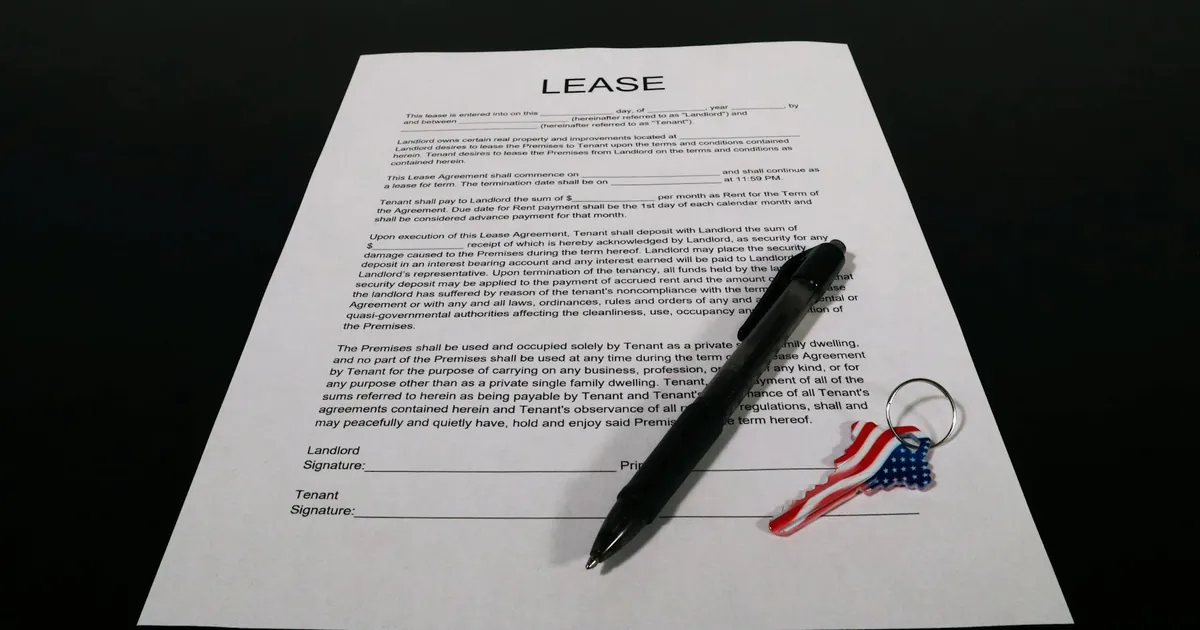
When a dispute arises, your first instinct might be to confront your landlord or vent to friends—but the most powerful tool you have is documentation. Courts and mediators rely on evidence, not emotions. Start by gathering every piece of paper related to your tenancy: the lease, rent receipts, emails, text messages, and even photos or videos of the issue (e.g., mold, broken appliances).
Here’s a checklist to ensure you’re covering all bases:
- Written communication: Save copies of all emails, texts, or letters exchanged with your landlord. If you discuss the issue in person or over the phone, follow up with a summary email (e.g., “As we discussed today, the leak in the bathroom will be fixed by Friday”).
- Photos and videos: Timestamped images or recordings can prove the condition of the property. For example, if your landlord claims you caused damage, photos from move-in day can show otherwise.
- Witness statements: If neighbors or maintenance workers have seen the issue, ask them to write a brief statement.
- Repair requests: Always submit requests in writing, even if you’ve already told your landlord verbally. Use certified mail or email to create a paper trail.
If your landlord ignores maintenance requests, send a formal demand letter outlining the issue, the steps you’ve taken to resolve it, and a deadline for action. This document can later serve as evidence if you need to escalate the matter. For a step-by-step template, check out this guide on filing a complaint legally.
Step 2: Attempt a Direct Resolution First
Before jumping to legal action, try resolving the dispute directly with your landlord. Many conflicts stem from misunderstandings or poor communication, and a calm, professional conversation can often clear the air. Start by reviewing your lease to confirm both parties’ obligations. If the issue violates the lease (e.g., unauthorized rent increase), point this out politely but firmly.
Here’s how to approach the conversation:
- Schedule a meeting: Request a time to talk in person or over the phone. Avoid discussing the issue via text or email if emotions are running high.
- Stay solution-focused: Instead of accusing your landlord, frame the conversation around finding a fix. For example, “I noticed the heater hasn’t been working for two weeks. Can we agree on a timeline for repairs?”
- Put it in writing: After the conversation, send a follow-up email summarizing what was discussed and any agreements made. This creates a record of your efforts to resolve the issue amicably.
If your landlord is unresponsive or hostile, don’t engage in arguments. Instead, escalate the matter through formal channels. Remember, even if the relationship sours, keeping your cool will work in your favor if the dispute goes to court.
When to Walk Away from Negotiations
Not all landlords are willing to cooperate, and some disputes are too serious to resolve informally. If your landlord:
- Refuses to acknowledge the issue despite written requests.
- Threatens retaliation (e.g., eviction, rent hikes) for raising concerns.
- Engages in illegal behavior, such as entering your unit without notice or shutting off utilities.
…it’s time to move to the next step. Continuing to negotiate in these cases can waste time and put you at risk. Instead, focus on gathering evidence and seeking legal advice.
Step 3: Know Your Legal Rights and Remedies

Understanding your legal rights is crucial to handling disputes effectively. While laws vary by location, most states provide tenants with several key protections:
- Right to habitable housing: Landlords must maintain safe and sanitary living conditions. If they don’t, you may have grounds to withhold rent, pay for repairs and deduct the cost from rent, or even break the lease without penalty.
- Protection from retaliation: It’s illegal for landlords to punish tenants for exercising their rights, such as reporting code violations or joining a tenants’ union.
- Security deposit limits: Many states cap how much landlords can charge for deposits and require them to return the funds within a set timeframe (e.g., 14–30 days after move-out).
If your landlord violates these rights, you have several remedies:
- Rent withholding: In some states, you can withhold rent until repairs are made, but you must follow specific procedures (e.g., placing the rent in an escrow account).
- Repair and deduct: If your landlord refuses to fix a serious issue, you may be able to hire a professional and deduct the cost from your rent. Check your state’s laws first—some limit the amount you can deduct.
- Lease termination: If the property is uninhabitable, you may be able to break the lease without penalty. However, you’ll need to prove the conditions were severe and that you gave the landlord reasonable notice.
For complex situations, consulting a tenant attorney or legal aid organization can help you explore your options. Many offer free or low-cost consultations. If you’re unsure whether your case qualifies for legal action, this article on common legal mistakes highlights pitfalls to avoid.
How to Find Free or Low-Cost Legal Help
Legal fees can add up quickly, but you don’t always need to hire a private attorney. Many resources offer free or affordable assistance:
- Legal aid organizations: Nonprofits like Legal Services Corporation provide free legal help to low-income tenants.
- Tenant unions: Local tenant associations can offer advice, mediation services, and even legal representation in some cases.
- Law school clinics: Many law schools run clinics where students, supervised by professors, assist with landlord-tenant cases.
- Online tools: Websites like Nolo offer DIY legal guides and templates for demand letters or court filings.
Before paying for a lawyer, explore these options. Even a brief consultation can clarify your rights and next steps.
Step 4: Escalate the Dispute Through Formal Channels
If direct negotiation fails, it’s time to escalate the dispute through formal channels. The right approach depends on the issue and your state’s laws, but here are the most common options:
Filing a Complaint with Housing Authorities
Most cities and states have agencies that handle tenant complaints. For example, if your landlord refuses to make repairs, you can file a complaint with your local housing or building code enforcement office. Inspectors will visit the property and issue violations if they find problems. In some cases, they can even order the landlord to make repairs or fine them for noncompliance.
To file a complaint:
- Visit your city or county’s housing department website to find the complaint form.
- Provide details about the issue, including dates, photos, and any communication with your landlord.
- Request an inspection. The agency will schedule a visit and document any violations.
This process can take time, but it’s often effective for serious issues like mold, pest infestations, or structural hazards. Keep in mind that some landlords may retaliate, so document any negative actions (e.g., rent increases, eviction threats) and report them to the agency.
Mediation: A Cost-Effective Alternative to Court
Mediation is a voluntary process where a neutral third party helps you and your landlord reach a mutually acceptable agreement. It’s faster, cheaper, and less adversarial than going to court. Many cities offer free or low-cost mediation services through community dispute resolution centers.
Here’s how it works:
- Contact a local mediation program to schedule a session.
- Both you and your landlord must agree to participate.
- A mediator facilitates the discussion, helping you explore solutions.
- If you reach an agreement, it’s put in writing and signed by both parties.
Mediation is ideal for disputes like security deposit returns, noise complaints, or minor lease violations. However, it’s not binding, so if your landlord refuses to comply, you may still need to take legal action.
Step 5: Taking Your Landlord to Court
When all else fails, small claims court is a powerful tool for resolving landlord disputes. You don’t need a lawyer, and the process is designed to be accessible to non-experts. Small claims courts handle cases involving money (e.g., security deposit disputes, unpaid repairs) and typically cap damages at $5,000–$15,000, depending on the state.
Here’s how to prepare for court:
- Check your state’s small claims rules: Each state has different procedures, filing fees, and limits. Visit your local court’s website for details.
- File your claim: Submit a complaint form outlining the dispute, the amount you’re seeking, and any evidence (e.g., lease, photos, emails). Pay the filing fee (some courts offer fee waivers for low-income plaintiffs).
- Serve your landlord: You must officially notify your landlord of the lawsuit, usually by certified mail or a process server.
- Prepare your case: Organize your evidence, practice your testimony, and bring witnesses if needed. The judge will ask you to present your side of the story.
- Attend the hearing: Dress professionally and arrive early. Be concise, stick to the facts, and avoid emotional outbursts.
If you win, the court will order your landlord to pay the judgment. However, collecting the money can be challenging—you may need to garnish wages or place a lien on their property. For a detailed walkthrough, refer to this step-by-step guide on filing a complaint.
Key Takeaways
- Document every interaction, including emails, texts, photos, and repair requests, to build a strong case.
- Attempt to resolve disputes directly with your landlord first, but know when to escalate.
- Familiarize yourself with your state’s tenant laws to understand your rights and remedies.
- Escalate through formal channels like housing authorities or mediation if negotiations fail.
- Small claims court is a cost-effective way to resolve disputes, but preparation is key.
- Seek free or low-cost legal help if you’re unsure about your options.
- Retaliation by landlords is illegal—report any threats or punitive actions immediately.
“The most common mistake tenants make is assuming they have no power in a dispute. The truth is, the law provides robust protections—but only if you know how to use them. Documenting everything, understanding your rights, and taking strategic action can turn the tables in your favor. Don’t let fear or misinformation stop you from standing up for yourself.”
— Sarah Thompson, Tenant Rights Attorney and Author of Renters’ Rights: A Legal Guide
Frequently Asked Questions
Can I withhold rent if my landlord refuses to make repairs?
It depends on your state’s laws. In some places, you can withhold rent if the property is uninhabitable, but you must follow specific procedures, such as placing the rent in an escrow account. In others, withholding rent can lead to eviction. Always check your local laws or consult a tenant attorney before taking this step.
How long does my landlord have to return my security deposit?
Most states require landlords to return security deposits within 14–30 days after you move out. If they deduct money for damages, they must provide an itemized list of the costs. If they don’t comply, you can sue in small claims court for the deposit plus additional damages (e.g., double the amount in some states).
What should I do if my landlord enters my apartment without notice?
Most states require landlords to give 24–48 hours’ notice before entering, except in emergencies. If your landlord violates this rule, send a written demand for them to stop. If they continue, you can file a complaint with your local housing authority or sue for invasion of privacy. Document each incident with dates and times.
Can my landlord evict me for reporting them to housing authorities?
No. Retaliation is illegal in all 50 states. If your landlord tries to evict you, raise your rent, or reduce services after you report a violation, you can fight the eviction in court. Keep records of all communications and actions taken by your landlord to prove retaliation.
What’s the difference between mediation and arbitration?
Mediation is a voluntary process where a neutral third party helps you and your landlord reach a mutually acceptable agreement. Arbitration, on the other hand, is more formal and binding. An arbitrator hears both sides and makes a decision that both parties must follow. Mediation is usually the better first step for landlord-tenant disputes.
How much does it cost to sue my landlord in small claims court?
Filing fees for small claims court typically range from $30 to $100, depending on your state and the amount you’re suing for. Some courts offer fee waivers for low-income plaintiffs. If you win, the court may order your landlord to reimburse your filing fees.
What if my landlord ignores a court judgment?
If your landlord refuses to pay a court judgment, you’ll need to take additional steps to collect the money. Options include garnishing their wages, placing a lien on their property, or hiring a collections agency. Your local court clerk can provide guidance on the process.
Landlord disputes can be stressful, but they don’t have to leave you powerless. By understanding your rights, documenting everything, and taking strategic action, you can resolve conflicts fairly and protect your home. If you’re facing a complex situation, don’t hesitate to seek legal advice—sometimes, a single consultation can save you months of frustration. The key is to act early, stay organized, and never assume you’re out of options. Your home is your sanctuary, and you deserve to live there without fear or unfair treatment.