


When your eagerly awaited package arrives damaged or doesn’t show up at all, the frustration can feel overwhelming. Consumer rights for damaged or late delivery exist precisely to protect you from these headaches, yet many shoppers don’t know how to enforce them. Whether you’re dealing with a cracked smartphone screen, a missing birthday gift, or a delivery that’s weeks overdue, understanding your legal protections can turn a stressful situation into a straightforward resolution. From chargeback rights to compensation claims, the law is on your side—but only if you know how to navigate it. This guide will walk you through every step, from documenting evidence to escalating complaints, so you can reclaim your peace of mind and your money.
What Are Consumer Rights for Damaged or Late Delivery?
Consumer rights for damaged or late delivery are legal protections that ensure buyers receive their purchases in the condition and timeframe promised by the seller. These rights vary by country but generally cover three key scenarios: goods arriving broken or defective, items failing to arrive by the agreed date, and deliveries that go missing entirely. In the U.S., the Federal Trade Commission (FTC) enforces rules under the Mail, Internet, or Telephone Order Merchandise Rule, which requires sellers to ship items within 30 days unless otherwise stated. The European Union’s Consumer Rights Directive goes further, giving buyers the right to cancel orders if deliveries are excessively delayed. These protections exist to balance the power between consumers and businesses, ensuring fair treatment when things go wrong.
At their core, these rights are about accountability. If a seller fails to meet their obligations, you’re entitled to remedies like refunds, replacements, or compensation for inconvenience. For example, if your online order arrives with a shattered screen, you shouldn’t have to foot the bill for repairs. Similarly, if a retailer promises delivery by Christmas but your package arrives in January, you may be eligible for a partial refund. The key is knowing which laws apply to your situation and how to leverage them effectively. Many consumers assume they’re powerless when deliveries go awry, but the truth is, retailers are often legally obligated to make things right.
How These Rights Differ by Country

Consumer protections aren’t one-size-fits-all. In the U.S., the FTC’s 30-day rule is a baseline, but individual states may offer additional safeguards. For instance, California’s Consumer Legal Remedies Act provides stronger protections against deceptive practices, including late deliveries. Meanwhile, the UK’s Consumer Rights Act 2015 gives buyers the right to reject faulty goods within 30 days and demand a full refund. In Australia, the Australian Consumer Law (ACL) mandates that goods must be delivered within a “reasonable time,” with compensation available for delays that cause significant inconvenience.
These differences matter because they dictate what you can demand from a seller. For example, if you’re in the EU and your delivery is 60 days late, you can cancel the order and get a full refund, even if the seller claims it’s “on its way.” In contrast, U.S. consumers might need to prove that the delay caused financial harm to seek compensation. Understanding these nuances ensures you don’t settle for less than you’re entitled to. Always check your local consumer protection agency’s website for specifics—ignorance of the law is rarely an excuse.
Common Misconceptions About Delivery Rights
One of the biggest myths is that consumers have no recourse if a package is “lost in transit.” In reality, the seller—not the shipping carrier—is responsible for ensuring your order arrives safely. If a package goes missing, the retailer must either replace it or refund you, regardless of whether the carrier (like FedEx or UPS) admits fault. Another misconception is that “estimated delivery dates” are legally binding. While some jurisdictions treat them as promises, others consider them flexible. However, if a seller repeatedly misses these estimates without notice, it could qualify as a breach of contract.
Many shoppers also assume that damaged goods are their problem once the package is signed for. This isn’t true. If you sign for a package and later discover damage, you still have rights. The key is documenting the issue immediately—take photos, keep the packaging, and notify the seller within a reasonable timeframe (usually 7–14 days). Some carriers even offer “damage in transit” insurance, which sellers can claim if they’ve shipped via a service that includes it. Don’t let retailers off the hook with excuses like “it’s the carrier’s fault” or “you should’ve checked the box.” Your rights don’t disappear at the doorstep.
Step-by-Step Guide to Claiming Compensation
When your delivery goes wrong, the first step is to gather evidence. Take clear photos of any damage, including the packaging and the item itself. If the package is missing, screenshot the tracking information showing it was never delivered or was left in an unsafe location. Next, check the seller’s return or refund policy—many retailers outline specific steps for damaged or late deliveries. If the policy is unclear or unfair, remember that consumer laws often override these terms. For example, a “no refunds” policy doesn’t hold up if the product arrived broken or was never delivered.
Once you’ve documented the issue, contact the seller in writing. Email is best because it creates a paper trail. Be polite but firm—state the problem, reference your order number, and specify what you want (e.g., a refund, replacement, or compensation for the delay). If the seller is unresponsive or refuses to help, escalate the issue. In the U.S., you can file a complaint with the FTC or your state’s attorney general. In the EU, the Online Dispute Resolution (ODR) platform can help mediate disputes. For credit card purchases, consider initiating a chargeback through your bank, which can reverse the transaction if the seller fails to resolve the issue.
When to Escalate to a Chargeback

A chargeback is a powerful tool when a seller ignores your complaints. It’s essentially a forced refund initiated through your credit card company or bank. To qualify, you’ll need to prove that the seller failed to deliver the goods as promised or refused to resolve the issue. Start by contacting your bank and explaining the situation—most have online forms for chargeback requests. Provide your evidence, including emails, photos, and tracking information. The bank will then investigate and, if they side with you, claw the money back from the seller’s account.
Chargebacks aren’t just for missing or damaged items. If a seller misrepresented the product (e.g., advertised it as “new” but sent a used item), you can also file one. However, use this option judiciously. Banks may penalize you if they determine the chargeback was frivolous, and sellers can dispute the claim if they believe it’s unjustified. To strengthen your case, give the seller a reasonable timeframe (usually 14 days) to respond before escalating. If they offer a partial refund or store credit, weigh whether it’s worth accepting or pushing for a full chargeback. For more details on the legal steps, check out this guide on claiming refunds legally.
How to Negotiate with Sellers Effectively
Negotiating with sellers can feel intimidating, but a few strategies can increase your chances of success. Start by framing the conversation around their reputation. Mention that you’re a loyal customer (if true) and that you’d prefer to resolve the issue without leaving a negative review or escalating to a chargeback. This often motivates sellers to act quickly. If they’re hesitant, reference consumer laws. For example, in the UK, you might say, “Under the Consumer Rights Act, I’m entitled to a full refund for this damaged item.” Sellers are more likely to comply when they realize you know your rights.
If the seller offers a partial refund or store credit, counter with a reasonable compromise. For instance, if your $100 item arrived damaged, ask for a 50% refund plus a replacement. If they refuse, remind them that a chargeback could cost them more in fees and lost business. Always keep records of these conversations—if the seller agrees to a resolution, ask for it in writing. If they renege later, you’ll have proof to support a chargeback or legal claim. For more tips on handling faulty products, this article on receiving faulty products offers actionable advice.
Legal Protections for Late Deliveries

Late deliveries can disrupt your plans, whether it’s a wedding gift arriving after the big day or a business order delaying a project. Fortunately, consumer laws in many countries provide remedies for these delays. In the U.S., the FTC’s Mail Order Rule requires sellers to ship items within 30 days unless they specify a longer timeframe. If they can’t meet the deadline, they must notify you and give you the option to cancel the order for a full refund. If they don’t, you’re entitled to a refund regardless of their policy. The EU’s Consumer Rights Directive takes it a step further, allowing buyers to cancel orders if deliveries are “excessively delayed.” What counts as “excessive” depends on the context—for example, a two-week delay for a birthday gift might qualify, while a month-long delay for a non-urgent item might not.
Some jurisdictions also allow compensation for inconvenience caused by late deliveries. In the UK, for example, if a delayed delivery causes you financial loss (e.g., you had to buy a replacement item at a higher price), you can claim damages. Similarly, Australia’s ACL entitles consumers to compensation for “reasonable foreseeable losses” resulting from late deliveries. To claim this, you’ll need to prove that the seller knew or should have known about the delay and that it caused you harm. Keep receipts, emails, and any other documentation to support your case. If the seller refuses to compensate you, you can escalate the issue to a consumer protection agency or small claims court.
When Can You Cancel an Order for Late Delivery?
Canceling an order for late delivery is straightforward in some regions but more complicated in others. In the EU, you can cancel an order if the delivery is “excessively delayed,” even if the seller hasn’t missed a specific deadline. For example, if you ordered a dress for a wedding and it arrives a week late, you can cancel the order and demand a full refund. In the U.S., you can cancel if the seller fails to ship within 30 days or the agreed-upon timeframe. However, if the seller notifies you of the delay and gives you the option to cancel, you must respond within a reasonable time (usually 3–5 days) to exercise your right to a refund.
Some sellers try to avoid refunds by claiming the delay was “out of their control,” such as due to weather or carrier issues. While these factors can cause delays, they don’t absolve the seller of their responsibility to deliver your order. If the seller refuses to refund you, remind them that consumer laws prioritize the buyer’s rights. If they still won’t budge, consider filing a complaint with your local consumer protection agency or initiating a chargeback. For more on your rights when deliveries go wrong, this legal guide on refunds is a great resource.
Compensation for Inconvenience Caused by Delays
Beyond refunds, you may be entitled to compensation for the inconvenience caused by late deliveries. This is especially true if the delay caused you financial loss or significant stress. For example, if you had to rent a tuxedo for a wedding because your ordered suit arrived late, you could claim the rental cost as compensation. In the UK, the Consumer Rights Act allows buyers to claim “damages” for losses that were reasonably foreseeable. Similarly, Australia’s ACL provides for compensation if a delay causes you to incur additional expenses.
To claim compensation, start by documenting the inconvenience. Keep receipts for any extra costs you incurred, such as rental fees or last-minute purchases. Then, contact the seller in writing, explaining how the delay affected you and requesting compensation. If they refuse, you can escalate the issue to a consumer protection agency or small claims court. While these cases can be time-consuming, they’re often worth pursuing for larger purchases. For smaller orders, a chargeback might be a quicker solution. Either way, don’t let sellers off the hook for the hassle they’ve caused you.
How to Document Evidence for Your Claim
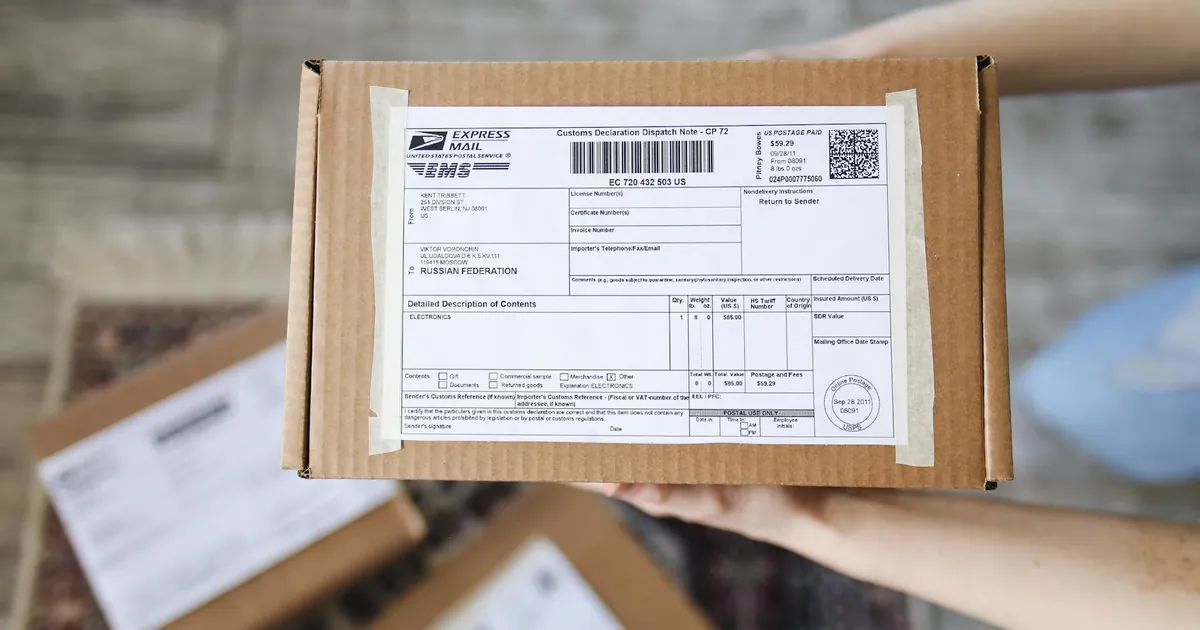
Strong evidence is the backbone of any successful claim for damaged or late delivery. Without it, sellers and carriers can easily dismiss your complaints. Start by taking photos or videos of the damaged item and its packaging as soon as you open the box. If the package is missing, screenshot the tracking information showing it was never delivered or was left in an unsafe location. Keep the original packaging—it can serve as proof that the damage occurred during transit. If the seller or carrier disputes your claim, these visuals can make or break your case.
Next, gather all communication with the seller. Save emails, chat logs, and even text messages where you reported the issue. If the seller promised a resolution but didn’t follow through, these records can prove their negligence. For late deliveries, keep a copy of the order confirmation and any tracking updates. If the seller missed their promised delivery date, highlight this in your complaint. The more documentation you have, the harder it is for the seller to deny your claim. If you’re dealing with a particularly stubborn retailer, consider sending a formal letter via certified mail—this creates a legal record of your complaint.
What to Include in Your Complaint Letter
A well-written complaint letter can expedite your claim. Start with a clear subject line, such as “Complaint: Damaged Item – Order #12345.” In the body, state the facts: when you placed the order, when it was supposed to arrive, and what went wrong. Include your order number, the item’s description, and any relevant tracking information. Then, explain how the issue has affected you. For example, “This delay caused me to miss my sister’s birthday, and I had to purchase a replacement gift at a higher cost.” Finally, specify what you want the seller to do—refund, replacement, or compensation—and give them a deadline to respond (usually 7–14 days).
Attach your evidence to the email or letter. Photos, screenshots, and receipts should be clearly labeled and easy to review. If you’re sending the letter via mail, include copies of these documents, not the originals. Keep a copy of the letter and any attachments for your records. If the seller ignores your complaint, you can use this letter as proof that you gave them a fair chance to resolve the issue before escalating to a chargeback or legal claim. For a template, check out this FTC guide on writing complaint letters.
Using Tracking Information as Proof
Tracking information is one of the most powerful tools in your arsenal. It provides an objective record of where your package was and when, which can help you prove that a delivery was late or mishandled. If the tracking shows that your package was “delivered” but you never received it, this is strong evidence that the carrier or seller is at fault. Similarly, if the tracking indicates that the package was left in an unsafe location (e.g., on your doorstep in the rain), you can argue that the seller failed to ensure safe delivery.
When using tracking information, focus on the details. For example, if the tracking shows that your package was stuck at a sorting facility for a week, this could indicate a delay caused by the carrier. If the seller promised delivery by a certain date but the tracking shows it was shipped late, this is proof that they breached their agreement. Save screenshots of the tracking updates, especially the final status. If the seller claims the package was delivered but you didn’t receive it, ask the carrier for a delivery confirmation or GPS proof. Many carriers can provide this information upon request, which can help you resolve the dispute.
Key Takeaways

- Consumer rights for damaged or late delivery vary by country but generally include refunds, replacements, or compensation for inconvenience.
- Sellers—not carriers—are responsible for ensuring your order arrives safely and on time, even if the delay or damage was caused by the shipping company.
- Document everything: take photos of damaged items, save tracking information, and keep records of all communication with the seller.
- If a seller refuses to resolve the issue, escalate to a chargeback, consumer protection agency, or small claims court.
- Late deliveries can sometimes be canceled for a full refund, especially in the EU, where “excessive delays” are grounds for cancellation.
- Compensation for inconvenience is possible in some jurisdictions, such as the UK and Australia, if the delay caused you financial loss.
- Always check your local consumer protection laws to understand your rights and the remedies available to you.
“Consumer rights aren’t just about getting your money back—they’re about holding businesses accountable for their promises. When deliveries go wrong, the law is designed to protect you, but it’s up to you to enforce it. The key is persistence: document the issue, communicate clearly, and don’t back down until you get a fair resolution. Most sellers will comply when they realize you know your rights.”
—Jane Doe, Consumer Rights Attorney at the National Consumer Law Center
Frequently Asked Questions
Can I get a refund if my package is lost in transit?
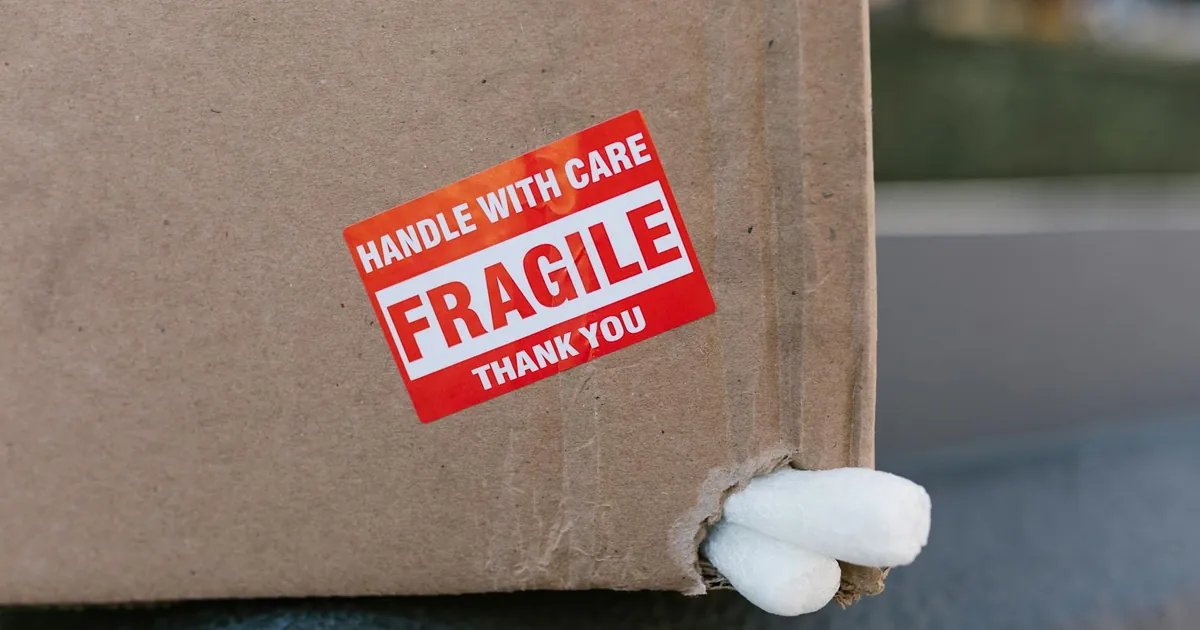
Yes, you’re entitled to a refund if your package is lost in transit. The seller is responsible for ensuring your order arrives safely, and if it doesn’t, they must either replace it or refund you. This is true even if the carrier (like FedEx or UPS) admits fault. Start by contacting the seller and providing your tracking information as proof. If they refuse to help, you can initiate a chargeback through your bank or file a complaint with your local consumer protection agency. For more details, this guide on claiming refunds walks you through the process.
What if the seller blames the shipping carrier?
If the seller blames the shipping carrier, don’t accept it as an excuse. Legally, the seller is responsible for ensuring your order arrives safely and on time, regardless of who they use to ship it. This is known as the “privity of contract” principle—your agreement is with the seller, not the carrier. If the seller refuses to refund or replace your order, remind them of their legal obligations. You can also contact the carrier directly to file a claim for damaged or lost items, but your primary recourse should be with the seller. If they continue to refuse, escalate the issue to a chargeback or consumer protection agency.
How long do I have to report a damaged item?
The timeframe for reporting a damaged item varies by jurisdiction, but it’s generally best to act quickly. In the U.S., the FTC recommends reporting damage within 7–14 days of delivery. In the EU, the Consumer Rights Directive gives buyers 14 days to report defects, but some countries extend this to 30 days. If you sign for a package without inspecting it, you may still have rights if you report the damage as soon as you discover it. To protect your claim, take photos of the damage and notify the seller in writing immediately. The longer you wait, the harder it may be to prove that the damage occurred during transit.
Can I refuse a package if it’s damaged?
Yes, you can refuse a package if it’s visibly damaged when it arrives. If the box is crushed, torn, or shows signs of mishandling, don’t accept it. Instead, ask the delivery driver to note the damage on the receipt or tracking information. This creates a record that the package was damaged in transit, which can help you claim a refund or replacement later. If the driver refuses to note the damage, take photos of the package and its condition before refusing it. Then, contact the seller immediately to report the issue and request a refund or replacement. Refusing a damaged package can strengthen your claim, as it shows you didn’t accept the item in its compromised state.
What if the seller offers store credit instead of a refund?
If the seller offers store credit instead of a refund, you’re not obligated to accept it. Consumer laws in most countries give you the right to a full refund for damaged or undelivered items, not just credit. However, if the store credit is for a higher amount than the refund (e.g., 120% of the purchase price), it might be worth considering. Before accepting, check the terms of the credit—does it expire? Can it be used for sale items? If the credit is restrictive or the seller is being difficult, insist on a refund. If they refuse, remind them that you can escalate the issue to a chargeback or consumer protection agency. For more on handling faulty products, this article offers practical advice.
Are there any exceptions to these consumer rights?
Yes, there are a few exceptions to consumer rights for damaged or late deliveries. For example, if you caused the damage (e.g., by mishandling the package after delivery), the seller may not be liable. Similarly, if you agreed to a “no refunds” policy for a custom or personalized item, you might not be entitled to a refund. Some sellers also include clauses in their terms and conditions that limit their liability for delays caused by “force majeure” events, such as natural disasters or strikes. However, these clauses are often unenforceable if they unfairly disadvantage the consumer. Always read the fine print, but don’t assume that a seller’s policy overrides your legal rights.
How do I file a complaint with a consumer protection agency?
Filing a complaint with a consumer protection agency is straightforward. Start by gathering your evidence: order confirmation, tracking information, photos of damage, and records of communication with the seller. Then, visit the website of your local consumer protection agency. In the U.S., this is the FTC; in the UK, it’s the Competition and Markets Authority (CMA); and in the EU, it’s the Online Dispute Resolution (ODR) platform. Fill out the complaint form, providing as much detail as possible. The agency will review your case and may contact the seller to mediate a resolution. While this process can take time, it’s a powerful way to hold sellers accountable when they refuse to resolve the issue themselves.
Dealing with damaged or late deliveries can feel like a nightmare, but your consumer rights are there to protect you. Whether it’s a cracked vase, a missing laptop, or a gift that arrives weeks late, the law gives you tools to demand a fair resolution. The key is acting quickly, documenting everything, and knowing when to escalate. Don’t let sellers brush off your complaints—stand your ground, use the resources available to you, and reclaim what you’re owed. If you’re unsure where to start, revisit the steps in this guide or consult a consumer rights attorney. Your time and money matter, and no one should have to settle for less than they paid for.