

Renting a house should feel exciting, not overwhelming—but without the right legal safeguards, that dream home can quickly turn into a financial or emotional nightmare. Whether you’re a first-time renter or a seasoned tenant, overlooking critical legal details before signing a lease can lead to hidden fees, unfair eviction risks, or even disputes over security deposits. The good news? A little preparation goes a long way. This checklist isn’t just another generic list; it’s a battle-tested guide to help you navigate the legal maze of renting, ensuring you walk into your new home with confidence—and walk out with your deposit intact. From decoding lease jargon to spotting red flags in rental agreements, we’ll cover the often-missed legal tips that protect your rights, your wallet, and your peace of mind.
What Is a Legal Checklist for Renting a House?
Before you even think about packing boxes, a legal checklist for renting a house acts as your shield against common pitfalls. In just 40 words: It’s a step-by-step guide to verify the lease’s legality, confirm the landlord’s authority, inspect property conditions, understand tenant rights, and document everything—so you avoid costly surprises and enforce your protections under local housing laws.
Think of this checklist as your pre-rental due diligence. It’s not just about ticking boxes; it’s about asking the right questions. For example, does the lease comply with state-specific tenant laws? Are there clauses that violate your rights, like excessive late fees or unfair entry policies? A thorough legal review ensures you’re not signing away protections you didn’t know you had. Many renters skip this step, only to regret it when disputes arise. Don’t be one of them.
Beyond the lease, this checklist covers practical steps like verifying the landlord’s ownership of the property. Scams are rampant, especially in competitive rental markets, where fraudsters pose as landlords to collect deposits for homes they don’t own. A quick title search or request for proof of ownership can save you thousands. Similarly, documenting the property’s condition before move-in—with photos, videos, and a signed walkthrough report—creates a paper trail that protects you when it’s time to reclaim your security deposit.
Verify the Landlord’s Legitimacy First
Imagine handing over a security deposit and first month’s rent, only to discover the person you signed the lease with doesn’t actually own the property. It sounds like a nightmare, but rental scams are more common than you’d think. Before you commit to anything, take steps to confirm the landlord’s legitimacy. Start by asking for proof of ownership, such as a deed or property tax bill. If they hesitate or refuse, that’s a major red flag. You can also cross-check public records through your county’s assessor or recorder’s office—many offer free online searches.
Another layer of protection? Request a copy of the landlord’s photo ID and compare it to the name on the property records. If the names don’t match, ask why. Sometimes, a property manager or family member is authorized to act on the owner’s behalf, but you’ll want written confirmation of that authority. For added security, consider running a quick background check. Websites like Whitepages or Spokeo can help verify their identity and history. If something feels off, trust your instincts and walk away.
How to Spot Rental Scams
Scammers often use high-pressure tactics to rush you into a decision. Be wary of landlords who demand cash payments upfront, refuse to meet in person, or claim they’re “out of the country” but still want you to sign a lease. Another telltale sign? Listings with prices that seem too good to be true. If a three-bedroom house in a prime neighborhood is listed for half the market rate, it’s likely a scam. Always insist on seeing the property in person—or at least a live video tour—before handing over any money.
Legitimate landlords will also have a paper trail. Ask for references from previous tenants or check online reviews. If the landlord can’t provide any, that’s a warning sign. Additionally, be cautious of listings that use stock photos or generic descriptions. A quick reverse image search on Google can reveal if the photos are stolen from another listing. If you suspect a scam, report it to your local consumer protection agency or the Federal Trade Commission.
What to Do If You Suspect Fraud
If you’ve already paid money and realize you’ve been scammed, act fast. Contact your bank or credit card company to dispute the charge if you paid electronically. If you paid in cash, file a police report immediately. Provide them with all the evidence you have, including emails, text messages, and receipts. You should also report the scam to the FBI’s Internet Crime Complaint Center (IC3). While recovering your money isn’t guaranteed, reporting the fraud can help prevent others from falling victim.
To avoid future scams, always use secure payment methods like credit cards or payment platforms with fraud protection. Never wire money or use cash apps like Venmo or Zelle for large transactions unless you’re absolutely certain the landlord is legitimate. And remember: if a deal feels too good to be true, it probably is.
Scrutinize the Lease Agreement Like a Pro
The lease agreement is the backbone of your rental relationship, so don’t just skim it—dissect it. Start by reading every word, even the fine print. If there’s jargon you don’t understand, look it up or ask a legal professional. Key clauses to watch for include the rent amount, due date, late fees, and penalties for breaking the lease early. Some landlords sneak in hidden fees, like “administrative charges” for late payments, which can add up quickly. Make sure these fees are reasonable and clearly defined.
Another critical section? The maintenance responsibilities. Who’s responsible for repairs—you or the landlord? In most states, landlords are required to maintain habitable conditions, but the lease might shift some responsibilities to you, like minor plumbing issues or lawn care. If the lease says you’re on the hook for major repairs, that’s a red flag. Similarly, check for clauses about subletting or having roommates. Some leases prohibit subletting without the landlord’s approval, while others limit the number of occupants. If you plan to have a roommate, make sure the lease allows it.
Common Lease Clauses That Could Hurt You
Some lease clauses are designed to protect the landlord, but others can be downright unfair. Watch out for “automatic renewal” clauses, which might lock you into another year without your explicit consent. If you don’t want to stay, you’ll need to give notice well in advance—sometimes 60 or 90 days before the lease ends. Another sneaky clause? “Joint and several liability,” which means if your roommate skips out on rent, you’re on the hook for the full amount. If you’re renting with others, consider a separate agreement outlining each person’s responsibilities.
Also, be wary of “right of entry” clauses. While landlords do have the right to enter the property for repairs or inspections, they must give reasonable notice—usually 24 to 48 hours. Some leases try to waive this requirement, which is illegal in many states. If the lease says the landlord can enter “at any time,” push back or consult a tenant rights organization. Finally, check for “liquidated damages” clauses, which outline penalties for breaking the lease early. These fees should be reasonable—typically one or two months’ rent—not the entire remaining lease term.
How to Negotiate Lease Terms
Don’t assume the lease is set in stone. Many landlords are open to negotiation, especially in a slow rental market. Start by identifying clauses you’d like to change, such as lower late fees or a shorter lease term. Present your requests in writing and be prepared to compromise. For example, if you want to break the lease early without penalty, offer to pay an extra month’s rent upfront. If the landlord refuses to budge on certain terms, ask for concessions elsewhere, like a rent discount or permission to paint the walls.
If you’re unsure about a clause, don’t sign until you’ve consulted a legal expert. Many cities offer free or low-cost tenant rights clinics where you can get your lease reviewed. Organizations like the Nolo Legal Encyclopedia also provide guides on common lease terms and tenant rights. Remember: once you sign, you’re legally bound to the terms, so don’t rush the process.
Inspect the Property Thoroughly Before Signing
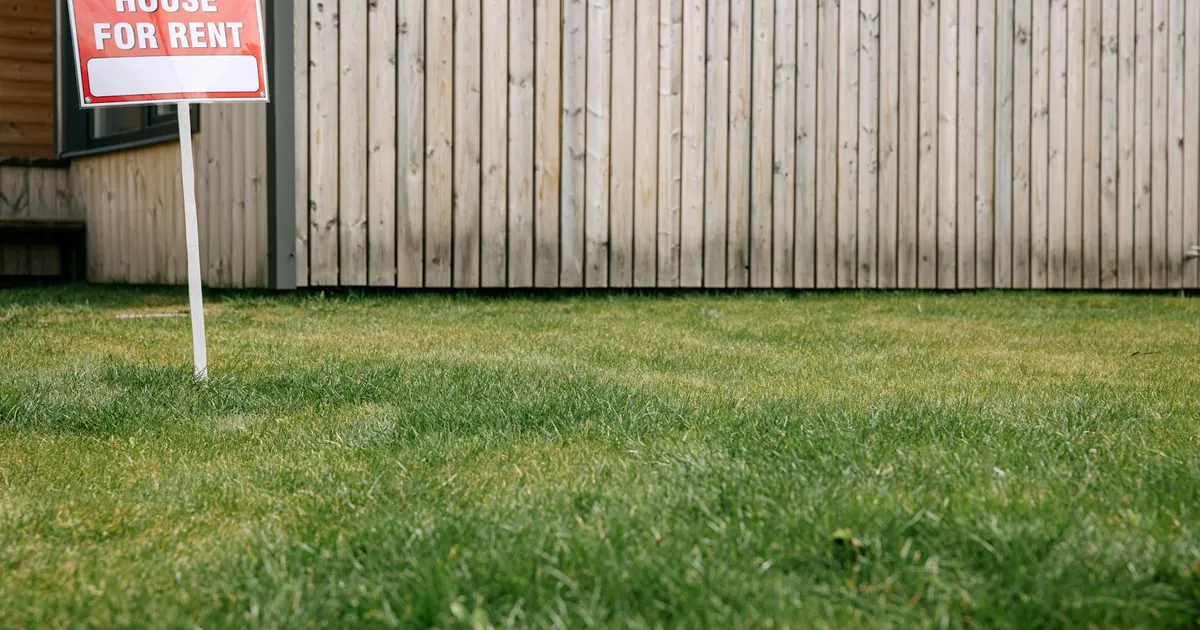
A walkthrough might seem like a formality, but it’s one of the most important steps in the rental process. Before you sign the lease, inspect the property from top to bottom. Look for signs of damage, like cracks in the walls, water stains on the ceiling, or broken appliances. Test every faucet, light switch, and electrical outlet to ensure they work. If you spot issues, document them in writing and take photos or videos. This evidence will protect you later if the landlord tries to blame you for pre-existing damage.
Don’t forget to check less obvious areas, like the attic, basement, or crawl space. These spots often hide mold, pest infestations, or structural problems. If the property has a yard, ask about maintenance responsibilities. Who mows the lawn? Who shovels snow? If the lease says you’re responsible, make sure you’re comfortable with the workload. Finally, ask about safety features like smoke detectors, carbon monoxide detectors, and fire extinguishers. Landlords are usually required to provide these, but it’s worth confirming.
What to Look for During a Rental Walkthrough
During your walkthrough, create a checklist of items to inspect. Start with the exterior: Are the gutters clean? Is the roof in good condition? Are there any signs of water damage or foundation cracks? Inside, check the walls and floors for holes, stains, or uneven surfaces. Open and close all doors and windows to ensure they lock properly. Test the HVAC system to make sure it heats and cools effectively. If the property has appliances, run them through a cycle to confirm they work.
Pay special attention to the bathroom and kitchen, as these areas are prone to leaks and mold. Look under sinks for water damage and check the caulking around the tub and shower. If the property has a garage or storage shed, inspect it for pests or structural issues. Finally, ask about the property’s history. Has it had any major repairs or renovations? Are there any known issues, like a leaky roof or faulty wiring? The more you know upfront, the fewer surprises you’ll encounter later.
How to Document Property Conditions
Documenting the property’s condition is your best defense against unfair security deposit deductions. Start by filling out a move-in checklist, which many landlords provide. If they don’t, create your own using a template from a tenant rights organization. Be as detailed as possible—note every scratch, dent, or stain, no matter how small. Take timestamped photos or videos of every room, including close-ups of any damage. If the landlord is present during the walkthrough, ask them to sign the checklist to confirm its accuracy.
Keep a copy of the checklist and all photos in a safe place, like a cloud storage folder or a physical file. When it’s time to move out, you’ll use this documentation to prove you didn’t cause any new damage. If the landlord tries to withhold your deposit for pre-existing issues, you’ll have the evidence to dispute their claims. In some states, landlords are required to provide an itemized list of deductions within a certain timeframe—usually 14 to 30 days. If they don’t, you may be entitled to your full deposit back.
Understand Your Tenant Rights and Responsibilities
Tenant rights vary by state and even by city, so it’s crucial to know what protections you have under local law. For example, some states cap how much a landlord can charge for a security deposit—usually one to two months’ rent. Others require landlords to pay interest on deposits or return them within a specific timeframe. Familiarize yourself with these rules so you can spot violations in your lease. You can find state-specific tenant rights guides on websites like Tenant Rights or the U.S. Department of Housing and Urban Development (HUD).
Your responsibilities as a tenant are just as important. Most leases require you to pay rent on time, keep the property clean, and report maintenance issues promptly. You’re also usually responsible for minor repairs, like changing lightbulbs or unclogging drains. However, major repairs—like a broken furnace or leaky roof—are typically the landlord’s responsibility. If they fail to address these issues, you may have legal recourse, such as withholding rent or breaking the lease without penalty. But be careful: withholding rent can lead to eviction if you don’t follow the proper procedures.
How to Handle Maintenance Requests
When something breaks, don’t wait to report it. Most leases require tenants to notify the landlord in writing about maintenance issues. Send an email or text message with a clear description of the problem and request a timeline for repairs. If the landlord doesn’t respond within a reasonable timeframe—usually 24 to 48 hours for emergencies like a broken heater in winter—follow up in writing. Keep copies of all communications in case you need to escalate the issue.
If the landlord still doesn’t act, you may have options. In some states, you can hire a professional to make the repair and deduct the cost from your rent, but only if the issue is serious and the landlord has been given proper notice. Other states allow tenants to withhold rent until the repair is made, but this can be risky. Before taking either step, consult a tenant rights organization or attorney to ensure you’re following the law. Document everything, including photos of the issue and copies of your repair requests.
What to Do If Your Landlord Violates Your Rights
If your landlord ignores maintenance requests, enters your home without notice, or tries to evict you illegally, you have rights. Start by sending a written demand letter outlining the violation and requesting a resolution. If the landlord doesn’t comply, you may need to take legal action. Many cities have housing courts or tenant rights clinics where you can file a complaint. You can also report violations to your local housing authority or HUD if the issue involves discrimination or unsafe living conditions.
In some cases, you may be entitled to compensation for the landlord’s violations. For example, if they illegally withhold your security deposit, you could sue for double or triple the amount in small claims court. If you’re facing eviction, don’t ignore the notice—seek legal help immediately. Organizations like LawHelp offer free or low-cost legal assistance for tenants. The key is to act quickly and document everything. The more evidence you have, the stronger your case will be.
Plan for the Unexpected: Subletting and Lease Breaks
Life happens, and sometimes you need to break your lease early. Whether it’s a job relocation, a family emergency, or a sudden financial hardship, it’s important to know your options. Many leases include a “lease break” clause that outlines the penalties for ending the lease early. These fees can be steep—sometimes equal to several months’ rent—so it’s worth negotiating this clause before you sign. If your lease doesn’t have a break clause, ask the landlord if they’d be open to adding one, especially if you’re willing to pay a reasonable fee.
Another option? Subletting. If your lease allows it, you can find someone to take over your lease for the remaining term. However, you’ll still be responsible for the rent if the subletter doesn’t pay, so choose carefully. Some landlords require subletters to go through the same screening process as new tenants, including credit and background checks. If subletting isn’t an option, consider finding a replacement tenant. Some landlords will let you transfer the lease to a new tenant if they meet their criteria. Just make sure to get any agreements in writing.
How to Sublet Legally and Safely
If you’re considering subletting, start by reviewing your lease to confirm it’s allowed. Some leases prohibit subletting entirely, while others require the landlord’s written approval. If your lease is silent on the issue, check your state’s laws—some states allow subletting unless the lease explicitly forbids it. Once you’ve confirmed you can sublet, find a reliable subletter. Screen them carefully, just as a landlord would. Run a credit check, verify their income, and ask for references from previous landlords.
Next, draft a sublease agreement outlining the terms, including the rent amount, due date, and duration. Both you and the subletter should sign it, and you should give a copy to the landlord. Keep in mind that you’re still responsible for the rent if the subletter doesn’t pay, so it’s wise to collect a security deposit from them. Finally, document the property’s condition before the subletter moves in, just as you did when you first rented. This will protect you from being held liable for any damage they cause.
Breaking a Lease Without Penalty
In some cases, you can break your lease without penalty. For example, if you’re a victim of domestic violence, many states allow you to terminate the lease early with proper documentation, like a restraining order. Active-duty military personnel can also break a lease without penalty under the Servicemembers Civil Relief Act (SCRA). Other valid reasons might include uninhabitable living conditions, landlord harassment, or a job relocation that’s more than 50 miles away.
If none of these exceptions apply, you may still be able to negotiate with your landlord. Offer to help find a replacement tenant or pay a fee to break the lease. Some landlords will waive the penalty if you leave the property in good condition. If you’re facing financial hardship, ask if they’d be willing to reduce the penalty or let you out of the lease early. The worst they can say is no, but it’s worth a try. If all else fails, consult a tenant rights attorney to explore your options.
Key Takeaways
- Always verify the landlord’s legitimacy by checking property records and requesting proof of ownership to avoid rental scams.
- Scrutinize the lease agreement for hidden fees, unfair clauses, and maintenance responsibilities before signing.
- Inspect the property thoroughly and document its condition with photos and a signed walkthrough report to protect your security deposit.
- Know your tenant rights and responsibilities under local laws to spot lease violations and take action if needed.
- Plan for the unexpected by understanding your options for subletting or breaking the lease early, including legal exceptions.
- Handle maintenance requests in writing and follow up if the landlord doesn’t respond to avoid being held liable for repairs.
- If your landlord violates your rights, document everything and seek legal help to enforce your protections.
“A lease is more than just a piece of paper—it’s a legally binding contract that defines your rights and obligations as a tenant. Too many renters sign without fully understanding what they’re agreeing to, and that’s when problems arise. Always read the fine print, ask questions, and don’t be afraid to negotiate. If something feels off, it probably is. Trust your instincts and consult a legal expert if you’re unsure. Your home should be a sanctuary, not a source of stress.”
— Sarah Thompson, Tenant Rights Attorney and Founder of RentersLegal
Frequently Asked Questions
Can a landlord refuse to return my security deposit?
A landlord can only withhold your security deposit for specific reasons, such as unpaid rent or damage beyond normal wear and tear. They must provide an itemized list of deductions within a certain timeframe—usually 14 to 30 days, depending on your state. If they don’t, you can dispute the charges in small claims court. Always document the property’s condition before moving in to protect yourself.
What should I do if my landlord enters my home without notice?
Most states require landlords to give 24 to 48 hours’ notice before entering your home, except in emergencies. If your landlord enters without notice, send them a written request to stop. If they continue, you may have grounds to break the lease or take legal action. Document each incident, including dates and times, and consult a tenant rights organization for advice.
Is it legal for a landlord to raise the rent during my lease term?
No, a landlord cannot raise the rent during a fixed-term lease unless the lease includes a clause allowing it. However, they can raise the rent when the lease is up for renewal. If you’re on a month-to-month lease, they must give you proper notice—usually 30 to 60 days—before increasing the rent. Check your state’s laws for specific rules on rent increases.
Can I withhold rent if my landlord doesn’t make repairs?
In some states, you can withhold rent or make the repairs yourself and deduct the cost from your rent if the landlord fails to address serious issues. However, this can be risky. You must follow specific procedures, like giving the landlord written notice and allowing a reasonable time to fix the problem. If you withhold rent without following the law, you could face eviction. Consult a tenant rights attorney before taking this step.
What happens if I break my lease early?
If you break your lease early, you may be responsible for paying rent until the landlord finds a new tenant or until the lease term ends. Some leases include a “lease break” clause that outlines the penalties, which can be steep. However, you may have legal exceptions, such as military deployment, domestic violence, or uninhabitable living conditions. Always review your lease and consult a legal expert before breaking it.
Can a landlord evict me without a court order?
No, a landlord cannot evict you without a court order. They must follow the legal eviction process, which includes giving you written notice and filing a lawsuit. If they try to evict you by changing the locks, shutting off utilities, or removing your belongings, that’s an illegal “self-help” eviction. You can sue them for damages and may be able to stay in the property. Contact a tenant rights attorney immediately if this happens.
What are my rights if the property is sold while I’m renting?
If the property is sold while you’re renting, your lease typically remains in effect. The new owner must honor the terms of your lease, including the rent amount and duration. However, if you’re on a month-to-month lease, the new owner may give you notice to vacate, usually 30 to 60 days. Check your state’s laws for specific rules on lease transfers during a sale.
Renting a home doesn’t have to be a gamble. By arming yourself with the right legal knowledge, you can avoid common pitfalls and turn your rental experience into a smooth, stress-free journey. Start with this checklist, but don’t stop here—stay informed, ask questions, and never sign anything until you’re fully confident. Your future self will thank you when you’re enjoying your new home without the headaches. Ready to take the next step? Bookmark this guide, share it with fellow renters, and consider consulting a tenant rights attorney for personalized advice. The power to protect yourself starts now.